I sent my friend a fake location as a joke and it went further than I planned
He called from the highway asking why the map said he was at the airport.
A fake location prank shows a made-up pin to someone who clicks your link, and it is funny only while everyone involved knows it is a joke. If your friend made a real decision based on the fake pin, call and tell them immediately, apologize without excuses, and never send a fake location to someone who is driving, traveling, or already anxious.
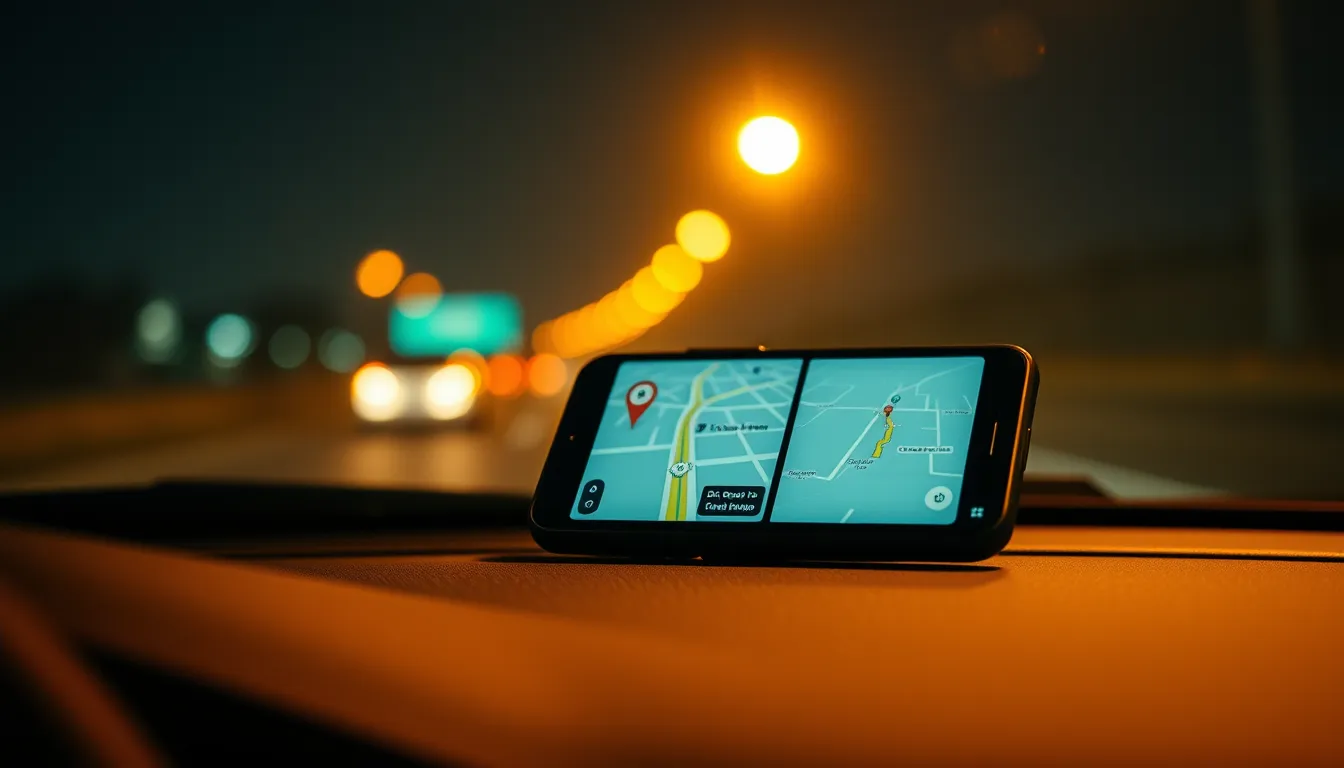
How the prank actually works
The setup takes under a minute. You open a prank tool, pick a spot on the map, maybe type a short message, and the tool hands you a link that looks ordinary enough to send in a group chat. When your friend taps it, a page opens showing a map, a pin, and a short animation that resembles the location screens people know from chat apps. The pin says whatever you told it to say.
What makes the joke land is familiarity. Everyone opens maps in the same visual language, so a well-made prank page reads as real for a second or two. That second is the payoff. It is also the whole risk, because during that second the person is deciding what the map means, and people make fast decisions about locations.
Note what does not happen: nothing about the friend’s real phone is exposed. A prank page does not read their GPS, and the sender does not see where they actually are. The joke is one-directional. This surprises people who assume such tools must be tracking something, and it is the first thing worth explaining after any prank that lands badly.
When a joke stops being funny
The same link produces very different outcomes depending on the receiver’s situation. A friend at home on a Sunday afternoon laughs. A friend driving on a highway glances at the map, sees themselves somewhere they are not, and now has a decision to make at 120 km/h. A parent who gets a pin showing their kid across town in a bad neighborhood starts calling people. A partner who has been anxious about a trip reads the pin as evidence.
The common thread is consequence. The joke stops being a joke at the moment the other person acts on it: drives, calls, confronts, worries. You cannot control their situation at the moment they open the link, which is exactly why the honest rule is to think about the worst plausible receiver, not the average one.
There is also the repeat problem. A prank that lands well tends to circulate, and the same link gets forwarded to people you never considered. The second wave of clicks often comes from people with no context, including the exact person you did not want to fool.
The line between prank and deception
A prank is a story both people get to be in on, eventually. The moment the reveal happens, everyone is back on the same page and the map fiction is closed. Deception is different: it depends on the other person continuing to believe the false information, and it usually carries a benefit for the deceiver.
By that test, sending a fake pin to a friend and telling them an hour later is a prank. Sending a fake pin so your partner believes you are at the office is deception with a map attached. The tool is the same. The difference is intent and disclosure, and it is worth being honest with yourself about which one you are planning before you press send.
How to come clean fast
If the joke landed wrong, speed matters more than wording. Every minute the false belief stands, it gathers decisions around itself, and unwinding five decisions is much harder than unwinding one.
Call rather than text, because tone carries the apology in a way text cannot. Say three things: the location was fake, it was me, and I am sorry it caused this. Then stop. Resist the urge to explain how funny the animation is or how you did not expect them to take it seriously, because that reframes the call as your defense instead of their correction.
If the prank already spread, like a screenshot in a group chat, correct it in the same channel where it traveled. A private admission that never reaches the people who saw the pin leaves the false story alive.
Using prank tools responsibly
Good prank tools make their nature obvious. They label themselves as entertainment, they show the reveal inside the page, and they do not collect the receiver’s real location. The LocateKit prank builder works this way and says so plainly: it is a simulation for jokes, it does not locate anyone, and the only person who decides where the pin sits is the sender.
Responsible use is mostly about the receiver, not the tool. Ask who is getting this link, what their day looks like, and whether the reveal will reach them in minutes. A joke that lands in a closed loop of friends who all see the reveal is contained by design. Everything else is a gamble with someone else’s afternoon.
One more line worth keeping: never fake an emergency, a crime, or someone’s real location being compromised. Those jokes read as threats or scares, they waste police time when reported, and they can turn into legal problems that no animation was worth.
What the law says briefly
Laws differ, but the patterns that get prosecuted are consistent. Faking a location to scare someone can fall under harassment or threat statutes. Using a fake pin to support fraud, a false alibi, or an impersonation rides on the underlying offense. Causing someone to act on false information in a way that endangers them, like driving to a remote spot, is treated far more seriously than the joke itself.
The practical version: the pin is a toy, the consequences are real. Keep the joke inside the friend group, reveal it fast, and the law will never have a reason to care.
The bottom line
A fake location prank is a five-second trick with a long shadow when it lands on the wrong person at the wrong moment. Send it to friends who will laugh, avoid anyone in motion or in distress, reveal it quickly, and use tools that are honest about being entertainment. If it already went wrong, a fast, clean phone call fixes more than any clever follow-up message.
Questions & answers