My dad has dementia and went for a walk. He did not come back
The usual walk takes an hour. Three hours ago the door closed behind him, and he is not answering.
If a parent with dementia is missing, start checking shared location and calling within minutes, and contact the police as soon as the check comes up empty, because there is no waiting period for a missing vulnerable adult. Time outside matters: weather, traffic, and distance all get worse by the hour, and the search works best when the family splits between technology, the usual routes, and the phone call.
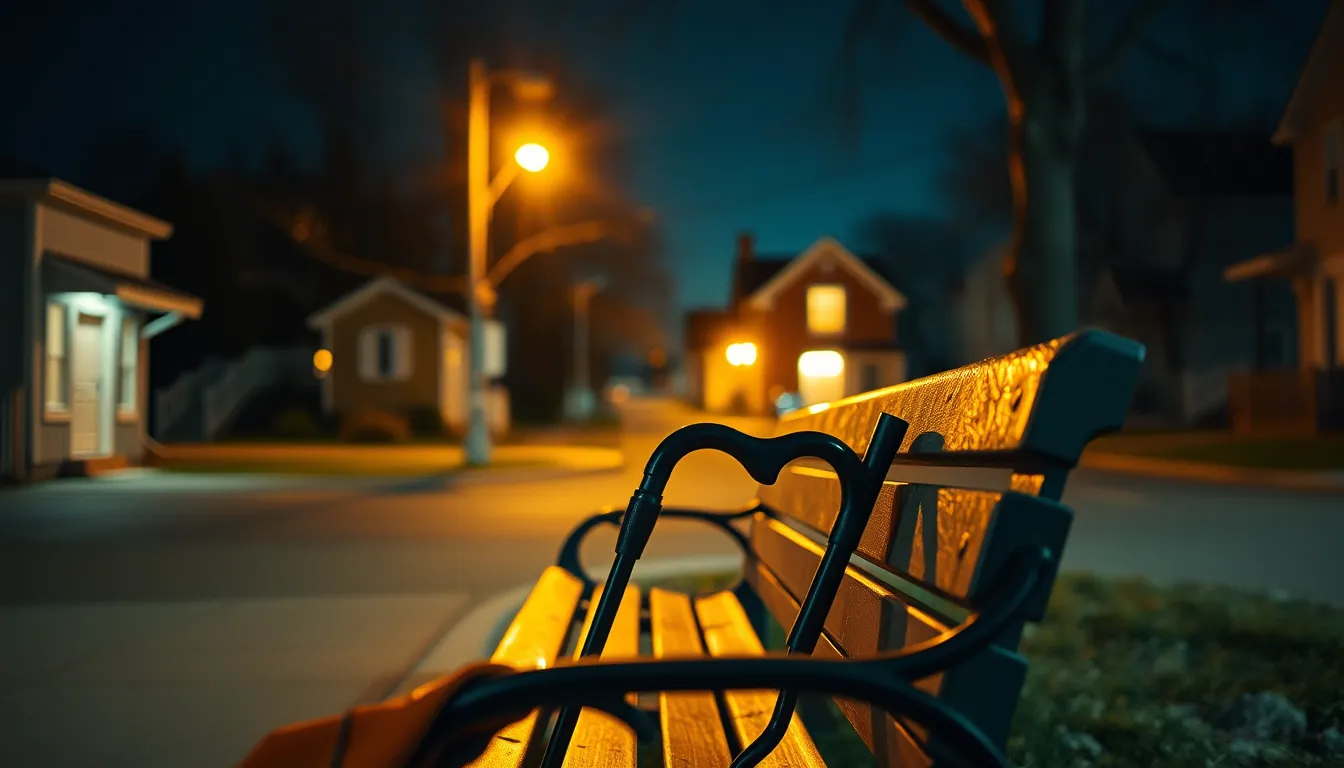
The walk has been the same for years. Out the door at ten, around the park, back before noon. It is the one routine dementia has left untouched, and you have built the day around it. Today the clock passed noon, then one, then two, and the door has not opened. The phone rings out. Nobody in the family has seen him.
Fear in this situation has a specific shape: he knows the way on good days, and today might not be a good day. This page is written for the first hours, in the order that actually helps, and then for afterwards, because a walk that ends safely once usually needs a system to keep ending safely.
The hours that matter
Every hour outside raises the risk arithmetic: weather, traffic, hydration, and distance all compound. People with dementia have been found kilometres from home within hours, on buses they boarded on autopilot, on roads they walked decades ago. The direction of effort is therefore speed without chaos: parallel actions, not a family standing in a kitchen agreeing on who does what.
One structural fact helps you: wandering is usually not random. It follows the gravity of an older life. The search below leans on that fact twice, once in the technology and once in the routes.
The right now check
Set a timer in your head: ten minutes for this list, run in parallel by whoever is available.
- Check every location channel that might already exist. Google Maps location sharing, if it was ever switched on, shows the last reported position; check on your own phone under the sharing tab. Family Link shows a linked account’s device. Find My on iPhone shows the last known location even when the phone is off or out of battery, which is a lifeline if he carried the phone but it died. The setup details for the Google side are in the Google Find My Device guide.
- Call the phone, then call the carrier. If it rings out, the phone has battery and signal, and the carrier can sometimes confirm the line is active in your area. If it is switched off or unreachable, note the time; that fact goes in the police call.
- Call everyone he might be with. A neighbour he chats with, the relative he calls on Thursdays, the old friend who might have “picked him up for a coffee” in a story that only makes sense inside his timeline. A surprising share of these episodes end with a phone call to the right acquaintance.
- Send a photo to nearby family and neighbours with one instruction: do not approach alone if he seems distressed, call you immediately. Two people searching in parallel beats four people driving in circles.
If the check comes up empty, you now have concrete facts: last known position or none, phone status, time last seen. That is your police briefing.
Usual routes and landmarks
While the technology check runs, someone should already be walking. Take the route he always takes, but walk it in the direction he walks it, not the direction that is convenient. Look for the halfway marks: the bench, the shop where he buys bread, the corner where he always waits for the light.
Then widen along the gravity lines. The old workplace. The street where the family lived in 1985. The bus stop for the route he rode to work, because a person who boarded on autopilot can be two towns away inside an hour. The church, the cemetery, the school. Show the photo at every shop and transit stop on those lines; shopkeepers and drivers remember faces more reliably than they remember times.
Bring a recent photo, not one from years ago. Bring water. If the weather is extreme, the routes near shelter matter first: bus shelters, a shopping centre, a warm church. People with dementia are found in places that were meaningful, and in places that were merely warm.
When to alert the police, and the myth that wastes hours
Call the police as soon as the ten minute check fails. There is no waiting period, not 24 hours, not one hour, for a missing vulnerable adult. The idea that you must wait is a myth from fiction, and in dementia cases police forces across many countries classify the person as high risk from the first call precisely because every hour outdoors compounds the danger.
Make the call information dense:
- Physical description and clothing from this morning, not a general description.
- The dementia diagnosis and how it presents: does he answer questions, does he know his address, does he get agitated with strangers.
- Last confirmed sighting and time, phone status, and any location pin you have with its timestamp.
- The biography list: former streets, old workplace, routines, the bus routes of his working life.
- Medical details police ask for, including medication and anything that makes exposure dangerous.
Ask for the report or reference number and keep it. If he is found by a member of the public, or turns up on his own, update the report so the search stands down; the police cannot close a case they were never told ended.
After: a setup that prevents the next one
A safe return resets nothing. The conditions that produced today are still there tomorrow, so build the system while the fear is fresh. Three layers, in order of reliability.
The routine layer. Fixed walk times, a known loop, and a neighbour or two who know the schedule and will call you if the timing slips. This is unglamorous and it is the layer that catches most episodes early, because the deviation gets noticed within minutes by someone who sees him every day. Offer those neighbours your number in writing, on a card by their door.
The technology layer. Location sharing set up properly, not switched on in a crisis. Google Maps sharing with your own account, or a dedicated GPS tracker in the item he never leaves without: a watch, a jacket, a bag. Configure arrival and departure alerts so your phone tells you when he leaves the usual zone, which is the moment that matters. The guide to GPS tracking for a parent with dementia compares the device options and their failure modes, and the arrival alerts setup guide covers the notification side. If he does not carry a phone, calling the mobile number from your side still has value, and the guide to locating an elderly parent’s phone by number explains what a carrier can and cannot tell you.
The identification layer. Something on his person that always survives pockets: an ID bracelet or pendant engraved with “memory condition” and your phone number, or an ID card sewn into a jacket. Some countries run voluntary register schemes with photo and next of kin details that police and transit staff can query. A stranger who finds a confused man on a bench needs exactly one thing: a number to call. Make sure it is there.
A note on dignity
Everything above can slide into surveillance, and with a person who spent seventy years being competent, the way it is framed decides whether it lands. A tracker presented as “so you can keep your walks, and I stop worrying” is a different object from one installed in secret, and openness is not just kinder, it is more robust: devices in secret get found, resented, and left in drawers.
Involve him where the days allow. Let the walk stay his. Let the bracelet be a decent piece of metal rather than a plastic band. The aim is not to shrink his life to the size of his diagnosis; it is to make sure that when a walk overshoots, the world that receives him knows his name, your number, and where home is.
And if today ends the way most of these days do, with a phone call from a kind stranger two kilometres away, thank them, log what you learned about where he went, and build the system tomorrow. The walk matters to him. That is exactly why it is worth protecting.
Questions & answers