How to Find Your IMEI Number: Every Method for iPhone and Android
A GPS tracker app and Find My Device use the same phone hardware but different infrastructure. Compare accuracy, accounts, cost, and what each can locate.
The fastest way to find your IMEI is dialing *#06# on the phone's keypad: the 15-digit number appears on screen instantly, no call needed. If the phone is not with you, the IMEI is printed on the SIM tray, on the original retail box, or in your carrier account and Google or Apple account device lists.
On this page 9 sections
The 30-second method: dial *#06#
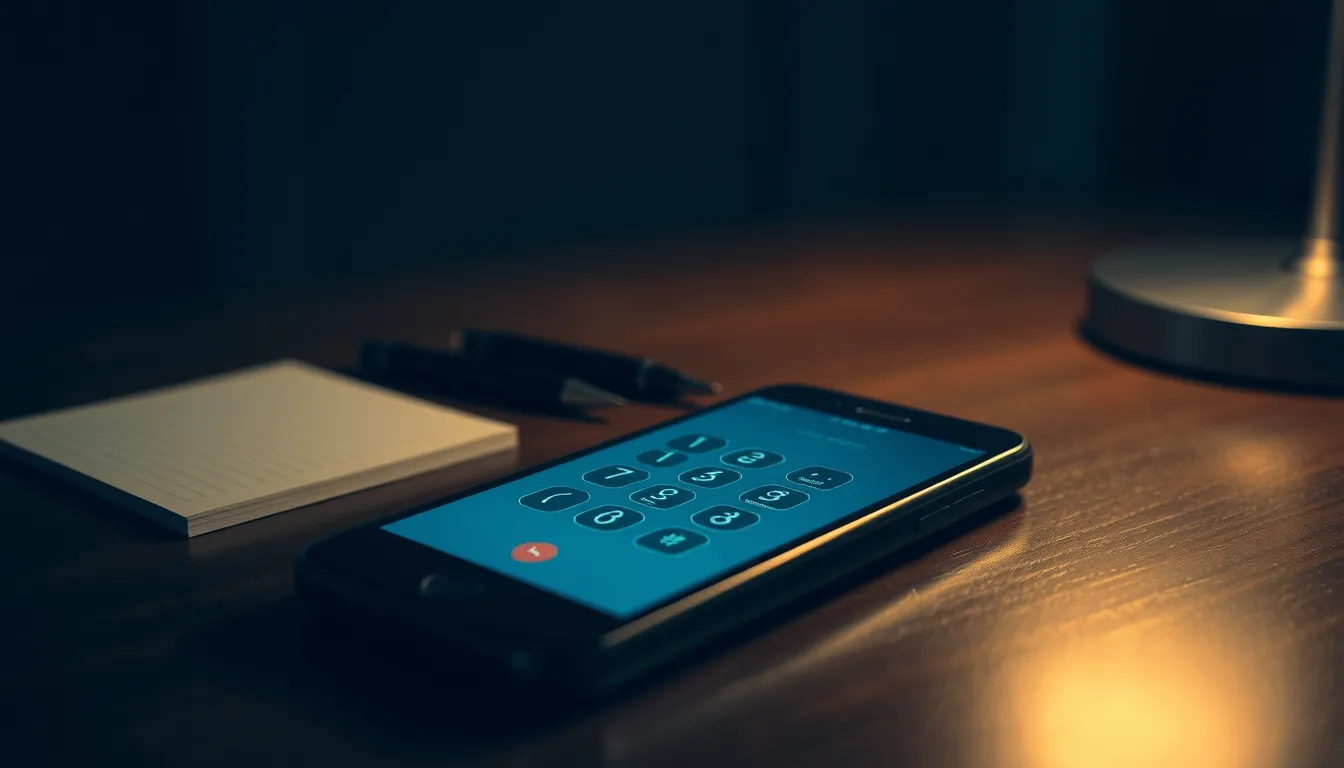
Every method in this guide ends at the same 15 digits, so start with the one that takes half a minute. Open the phone app as if you were going to make a call, type the five characters *#06#, and the IMEI appears on screen. No call is placed, no menu is opened, and the code works identically on iPhone and Android because it is part of the GSM standard every manufacturer implements.
On dual-SIM devices the display shows two IMEI numbers, one for each SIM slot. On eSIM-only phones you will see the single embedded IMEI. Write the number down somewhere that is not the phone itself, because the moment you actually need an IMEI is usually the moment the phone is gone.
Finding the IMEI in iPhone Settings
Open Settings and tap General, then About. Scroll down and you will find the IMEI listed with the serial number and the model identifier. On iPhones with a physical SIM tray the IMEI is also etched on the tray itself: eject it with the tool that came in the box or a straightened paperclip, and the number is printed on the metal.
For iPhones linked to an Apple ID, there is a second path that works even when the phone is not in your hands. Sign in at appleid.apple.com or open the Find My app on another Apple device, select the iPhone from the device list, and the IMEI appears in its details. This is the version that matters when the phone is lost: the account knows the hardware identity even if the hardware is in someone else’s pocket.
Finding the IMEI in Android Settings
Android hides the IMEI under a menu whose exact name varies by brand, but the path is always the same idea. Open Settings, tap About phone, and look for IMEI in the list. Samsung puts it under About phone and Status information. Google Pixel lists it directly in About phone. Xiaomi, Oppo, and OnePlus also use About phone, sometimes behind a Status sub-menu.
The universal Android shortcut is google.com/android/find: sign in with the Google account that is on the phone, select the device, click the information icon, and the IMEI displays alongside the last seen location. Like Apple’s version, this works from any browser and does not need the phone in your hand, which makes it the go-to method after a theft.
The SIM tray and the retail box
Two physical locations survive a completely dead phone. The SIM tray on most iPhones and many Android phones has the IMEI laser-etched on its surface: eject the tray and read it. The method is undocumented on some models, so check both sides of the tray in small type.
The original retail box carries a label with the IMEI, the serial number, and the model. This is why the advice to photograph the box before throwing it away has saved hundreds of theft reports. If you no longer have the box, a store receipt or an insurance document often records the IMEI, because insurers require it at policy signup for high-value devices.
Your carrier account
Operators store the IMEI of every device that has used their network on a contract line. Log into the carrier’s website or app, open the device or equipment section, and the IMEI is listed for each line. Prepaid lines are less consistent: some operators register the IMEI at first use, others do not.
A phone call works too. The carrier’s support can read the IMEI back to you after verifying your identity, which is useful when you are standing in a police station filing a theft report and need the number for the record.
Which method when
| Situation | Fastest method |
|---|---|
| Phone in hand | Dial *#06# |
| Phone in hand, no dialer access | Settings, About |
| Phone lost or stolen | Google Find My Device or Apple account device list |
| Phone dead, box kept | Retail box label |
| Phone dead, no box | Carrier account or SIM tray |
| Buying used | Seller dials *#06# in front of you |
The used-purchase row is worth remembering even when nothing is lost. A seller who refuses to dial *#06# in front of you is telling you something, and comparing the displayed number against the SIM tray and the box costs ten seconds. Mismatched numbers on a used phone are the clearest red flag in the entire second-hand market.
What to do with the IMEI once you have it
Write it down outside the phone: a password manager note, an email to yourself, a card in the wallet. Then the number is ready for the three situations where it is actually used.
If the phone is stolen, the IMEI goes into the police report and to your carrier, who can blacklist the device from their network and, through the GSMA’s international database, from partner networks abroad. If you are buying used, the IMEI feeds a structure check and, at a carrier store, a blocklist verification. And if you are contacting support for warranty or repair, the IMEI identifies the exact unit. Our guide on what to do when a stolen phone is switched off covers the full first-hour sequence, and the IMEI check tool on this site validates any number you find before you file anything with it.
The bottom line
Dial *#06# today and write the number down somewhere that is not the phone. Every other method in this guide is a recovery path for the day the phone is gone, and all of them are slower than the thirty seconds the code takes right now.
References
- Apple Platform Security: Find My network architecture
- Google Find My Device documentation (support.google.com)
- FCC E911 Phase II location accuracy requirements
- 3GPP TS 23.271: Location Services functional specification
Questions & answers
Things readers ask about this
6 questions · updated Aug 2026