I lost my phone while traveling abroad and I do not speak the language
The phone is gone, the hotel wifi password was on it, and reception speaks a language you do not.
Open icloud.com/find or google.com/android/find on any borrowed device, hotel computer, or cyber cafe and secure the phone immediately: mark it lost, lock it, and check the last known location. Then report the loss to the local police for the insurance claim and contact your carrier about the SIM. The language barrier solves a translation app faster than it solves anything else.
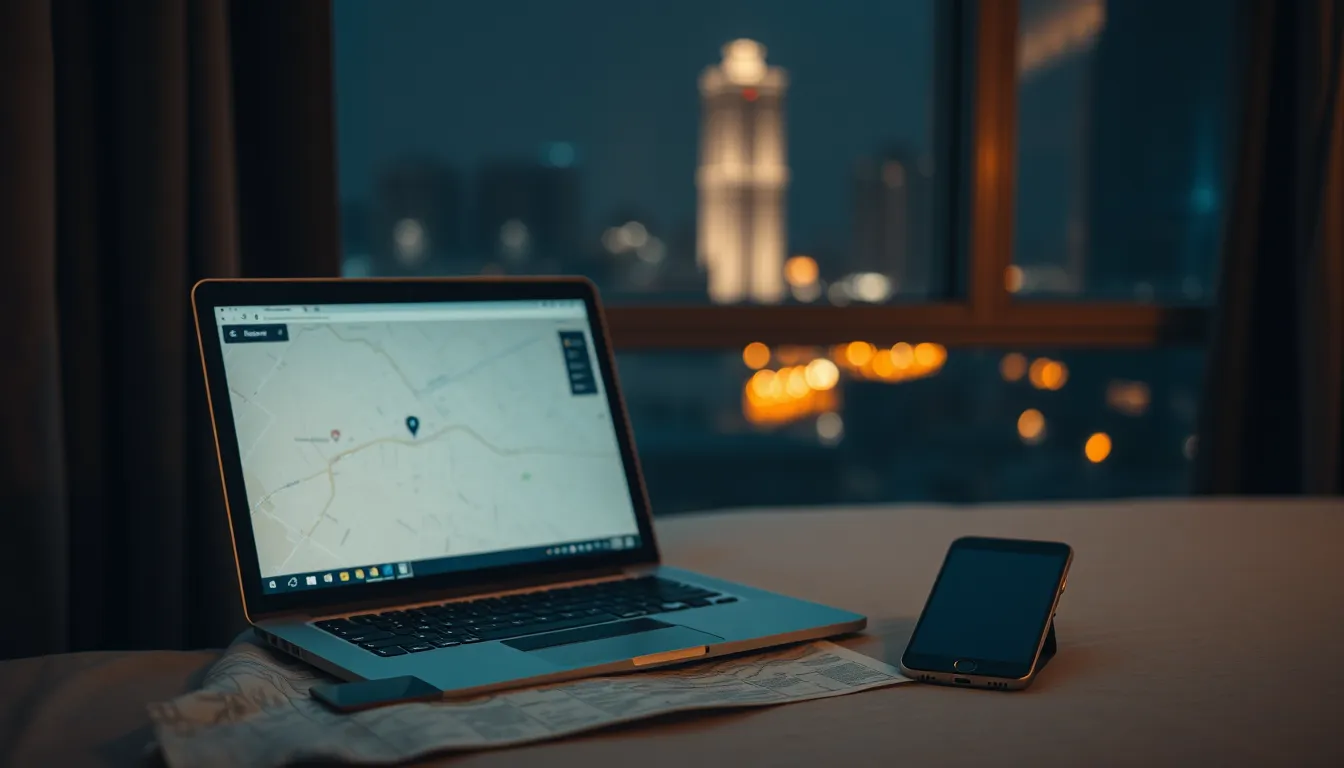
One second the phone is in your pocket, the next your pocket is empty, and you are standing in a city where you cannot read the street signs. Maybe it slipped out at the night market, maybe it was lifted on the metro, maybe it is sitting in the taxi you can no longer call. The stomach drop is the same as at home. Everything else is harder.
Here is the honest framing: a lost phone at home is one problem, a lost phone abroad is two. The device is gone, and every tool you would normally reach for, your maps, your translation app, your contacts, your boarding passes, was on that device. The fix for the second problem is embarrassingly simple, a translation app on any borrowed screen, and yet it is the thing people forget while panicking about the first. Work the problem in order and the language barrier shrinks to a nuisance.
The double problem
Start with what you are actually facing. The phone itself is a few hundred euros of hardware, replaceable, and possibly insured. The data on it is mostly recoverable from your accounts. The real risk is the access the phone represents: an unlocked SIM that receives your two factor codes, an email inbox that resets every other password, payment cards in a wallet app. None of that depends on where you are, which is why the first moves are identical whether you are in Prague or in Phnom Penh.
The layer travel adds is everything around the phone. The hotel wifi password was saved on it. The map to the embassy, the phrasebook app, the taxi app, the photo of your passport. Losing the device removes your ability to navigate the loss itself, and that loop is what makes people freeze. You do not need the phone to fix the phone. You need one borrowed screen with a browser.
You have three realistic sources of that screen: a travel companion’s phone, the hotel reception desk, or an internet cafe, which still exist in most of the world precisely for this. Hotel staff have seen this dozens of times; asking them is a routine Tuesday for them.
The first hour
Get to any browser and work this list top to bottom, because every later step depends on your accounts staying yours.
- Open the finding service immediately. On any device with a browser, go to icloud.com/find for an iPhone or google.com/android/find for an Android. Sign in with the account you know by heart. Read the last known location and its timestamp, and screenshot it. The complete steps are in the Find My iPhone complete guide and, for Android, the Google Find My Device guide.
- Mark the phone as lost. Lost Mode on iPhone, or the secure device action on Android, locks the screen, shows a message and a contact number to anyone who picks the phone up, and suspends the cards in Apple Pay or Google Wallet. If an honest person finds it in a taxi, the lock screen does the negotiating in their language.
- Change your email password first, then your Apple ID or Google account. Email is the master key. If the phone was stolen unlocked, this matters urgently; if it was locked, it is cheap insurance anyway.
- Get a translation app onto whatever device you have. Google Translate works offline if someone downloads the language pack for you. This single step unlocks the police report, the carrier call, and the conversation at reception, and it is the fastest way to turn the locals from an obstacle into help.
- Report it to the local police. For a theft, do it the same day. Ask the hotel desk to type the words “police report” into the translation app and show the screen at the counter. The report is what your insurance company will demand, so get the reference number and a photo of the stamped copy.
- Notify your carrier and suspend the SIM. Roaming charges on a stolen line can run up fast, and an active SIM receives your security codes. The carrier side of this, including IMEI blocking, is covered in the lost phone overseas guide.
If the last known pin points at somewhere you can safely walk to, go and look, ideally with someone. If it points at a moving dot in a part of town you cannot name, do not chase it. No phone is worth walking into a situation where you cannot call for help and do not speak the language.
Carrier and eSIM reality abroad
The carrier call is where the language barrier bites hardest, so prepare the sentence before you dial. In the translation app, write “My phone was stolen, please suspend my SIM card and block the IMEI”, translate it into the local language, and hold the screen up. Ask for three things: suspend the line, block the IMEI so the device is useless on local networks, and confirm whether your eSIM profile can be reissued.
The eSIM detail works in your favor. An eSIM cannot be popped into another phone the way a physical SIM can, so whoever has your device keeps your number only until you suspend the line. If you were traveling on a local data eSIM, that profile dies with the phone and there is usually nothing to cancel, but your home carrier line still needs suspending.
One more reality check: the window before the line is suspended is where roaming fraud and premium rate charges happen, which is why the carrier call belongs in the first hour, not the next morning. If you cannot reach your carrier from abroad, the chat support in your account’s web interface usually works, and your bank’s app can freeze the payment cards in the meantime.
Insurance and embassy
The police report and the insurance claim are paperwork, and paperwork is where the language barrier costs you real money if you rush it. Photograph every page of the police report, note the date, time, and place of the loss while your memory is fresh, and keep the last known location screenshot. Insurers handling a stolen phone while traveling claim typically want the report reference, proof of purchase or the IMEI, and a short written account. The IMEI is on the box at home, or in your account’s device list online.
Check which policy actually covers you before paying for anything. Travel insurance often covers phones with a low cap, standalone phone insurance covers theft abroad, and some credit cards cover a phone lost on a trip paid for with the card. AppleCare+ with Theft and Loss covers loss for iPhones. Claims can usually be filed online from anywhere, which conveniently removes the language problem entirely.
The embassy is not there to find your phone. Consular assistance exists for lost passports, emergency contacts, and genuinely desperate situations, and they will not investigate a theft. But if the phone loss cascaded into a lost passport in the same bag, or you are stranded without money, the embassy is exactly the right door, and their staff speak your language.
Prevention: the travel setup before the next trip
Twenty minutes at home before the next trip makes most of this faster. This is the setup.
- Verify the finding toggles before you pack. Find My or Find My Device switched on, offline finding enabled, Send Last Location on. Sixty seconds, and it is the difference between a pin and nothing.
- Add a backup eSIM from a different carrier. A cheap data eSIM, kept inactive until you need it, means that if one line dies with the phone, a replacement device can still receive codes and data on arrival.
- Write down the anchors. On paper, in your bag: hotel name and address in the local language, your carrier’s support number, the insurance policy number, one emergency contact. The paper version works with zero battery and zero language skills, because you can hand it to anyone.
- Save the IMEI somewhere you can reach from a browser, in the device list of your Apple or Google account or a note in your password manager. Police and carriers both ask for it.
- Carry the phrase that matters. A saved offline language pack and a note with the local words for “police” and “stolen” turn the worst hour of the trip into a series of tasks instead of a wall.
The bottom line
A lost phone while traveling is two problems, and the smaller one is the phone. Secure the accounts from any borrowed browser, lock the device remotely, read the last known location, and get the police report your insurer will insist on. Suspend the SIM fast, lean on hotel staff and a translation app for every conversation you cannot handle, and let the embassy handle only what embassies actually handle. Then spend twenty minutes on the travel setup, because the version of you who prepared before departure gets through this in an afternoon instead of a lost weekend.
Questions & answers