In brief: An AirTag ($29, no subscription) can help find a dog in busy areas full of iPhones, but it has no GPS and no live tracking. A cellular GPS tracker such as Tractive, Fi, or Whistle reports your dog's live location almost anywhere with cell coverage, in exchange for hardware plus a subscription. Rural and off-leash dogs need GPS.
Table of contents
Your dog bolts through the gate. Your heart rate goes from resting to racing in about three seconds.
What you grab next, the iPhone to open Find My or the GPS tracker app, decides whether you watch a live dot move or stare at a stale pin from 40 minutes ago. The difference between an AirTag and a real GPS dog tracker is not marketing. It is physics, and it matters most at exactly the moment you need it not to.
How each one actually works
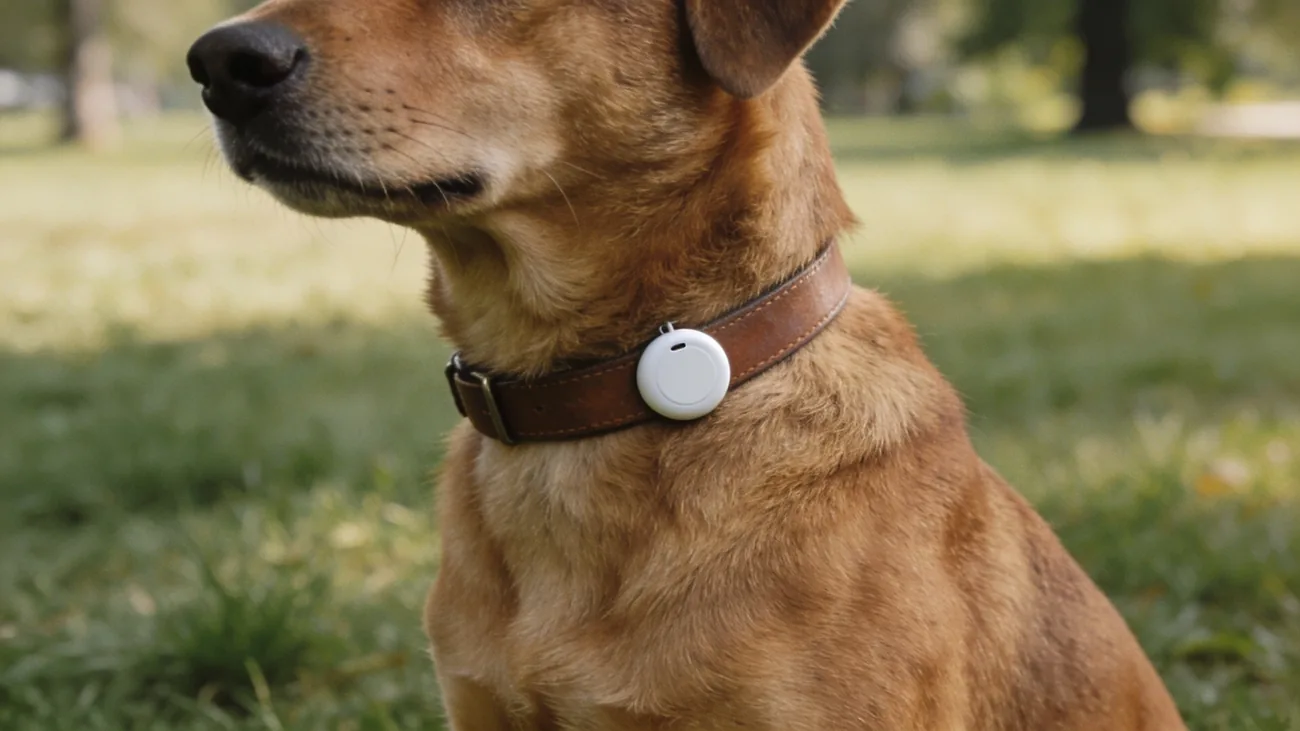
An AirTag has no GPS. It is a Bluetooth transmitter. When your dog comes within Bluetooth range of someone else’s Apple device, that device quietly relays the AirTag’s location to Apple’s servers, and you see it in Find My. The location is not where your dog is now. It is where your dog was when that device passed by. In a busy city neighborhood that can mean useful updates every few minutes. In a park with light foot traffic, or anywhere rural, you might wait an hour.
A real GPS dog tracker (Tractive, Fi, Whistle, and similar) contains a GPS chip and a cellular radio. It reads its own GPS coordinates and sends them to the cloud over a cellular network, with live modes updating every few seconds. You open the app and see where your dog is right now, not where a stranger’s phone happened to be. The trade-off is a subscription. You are paying for the cellular connection inside the tracker, the same way you pay for cell service on your own phone.
The simplest summary: an AirTag borrows other people’s Apple devices to find your dog. A GPS tracker is its own phone.
The scenario table: which wins where
| Scenario | AirTag | GPS tracker | Winner |
|---|---|---|---|
| Urban neighborhood escape (dense iPhones) | Updates every few minutes | Live updates every few seconds | GPS tracker, but AirTag is usable |
| Suburban backyard bolt | Spotty, depends on neighbors | Live tracking | GPS tracker |
| Rural area or farm | Hours between updates, or none | Live tracking (needs cell signal) | GPS tracker |
| Off-leash hike in forest | Likely no updates at all | Live tracking (needs cell signal) | GPS tracker |
| Lost inside the apartment | Precise nearby chime | Overkill, GPS cannot resolve indoors | AirTag |
| Dog at a friend’s house in the city | Likely locates via neighbors’ devices | Works | Tie |
| International travel | Works anywhere with Apple devices | Varies by tracker | Depends on tracker |
The pattern is clear: the more rural or isolated the escape scenario, the less useful an AirTag becomes, and the more essential a cellular GPS tracker is.
Cost: the honest math
AirTag:
- Hardware: $29 once (a four-pack lists at $99)
- Subscription: $0, forever
- Holder: a secure collar mount adds to the one-off cost
- Two-year total: about $29 plus the holder
Tractive GPS (most popular entry):
- Hardware: current DOG 6 lists around $79 on Tractive’s own page
- Subscription: plans from about $5 per month on longer terms
- Two-year example at $5/month: roughly $199
- Larger DOG 6 XL and Adventure models cost more and stretch battery life
Fi (US-focused, collar membership):
- The collar comes with a membership rather than a standalone device price
- Membership around $192 per year on the annual plan, or $19 month to month
- Two-year total on the annual plan: roughly $384
- Fi also sells a premium Fi Ultra tracker for $199 plus membership
Whistle GO Explore:
- Hardware plus a plan around $99 per year
- Adds vet-style health tracking on top of GPS location
- Check current bundle pricing, since device and plan combos change often
An AirTag costs a fraction of any GPS setup over two years. That is a real number. Whether it justifies using a tracker that cannot find a dog in a forest is a different question.
Weight and hardware: does it fit your dog
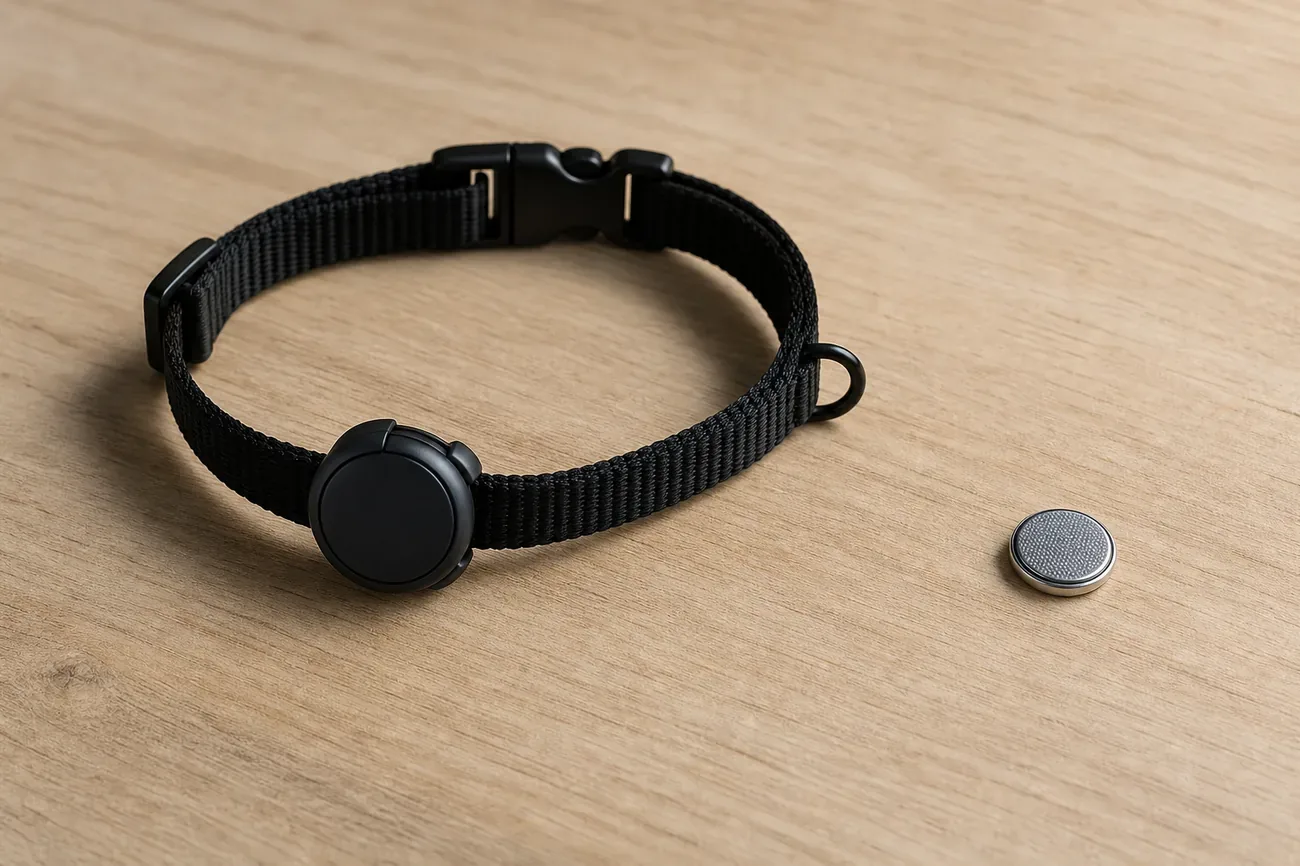
AirTag: 11 grams, 31.9 mm diameter. Fits a standard collar loop or a dedicated AirTag dog collar holder. Rated IP67 (one meter for 30 minutes under lab conditions). The battery is a user-replaceable CR2032 coin cell that Apple rates at more than a year of typical use.
Tractive GPS: the smallest tracker weighs 35 grams. Tractive rates the DOG 6 battery up to two weeks and the larger XL models up to six weeks, with waterproof IP68 builds. It needs regular charging if you track often.
Fi Series 3: the collar and module together weigh more than Tractive, about 56 grams for the module. Battery life is its standout trait, with weeks of normal GPS use and far longer on conservative standby. Rated IP68 and IP66K against water and high-pressure spray.
The 5 percent guideline: a commonly cited veterinary rule caps collar items at about 5 percent of the dog’s body weight. A 10 kg Labrador can wear any of these without concern. For toy breeds under 4 kg, an AirTag or the smallest Tractive model are the appropriate choices, both well under the limit.
For how an AirTag physically attaches to a collar and how to size it, see AirTag on a dog collar.
What GPS trackers do that an AirTag cannot
A cellular GPS tracker is not just an AirTag with live updates. It offers features that need a persistent connection:
- Geofencing with instant alerts. Draw a boundary around your yard. The moment your dog crosses it, you get a push notification, before the dog is 200 meters away, not after you notice they are gone.
- Live tracking mode. Tractive’s LIVE mode refreshes every few seconds. You see the dog moving, not a static pin.
- Location history. Every GPS tracker stores a trail. You can see where your dog went, not just where they ended up.
- Activity and health monitoring. Tractive and Whistle track daily activity and rest, and can flag unusual inactivity. Fi goes deeper with sleep and behavior trends you can share with a vet.
- Works even if you are far away. An AirTag needs you within Bluetooth range to chime it. A GPS tracker works from anywhere with cell service.
An AirTag can do none of these. It is a passive locator that needs a bystander with a compatible device.
When an AirTag is actually fine for a dog
An AirTag is not useless for dogs. It fits a specific profile:
- Urban apartment dog. Walks are on leash in a dense neighborhood. If the dog slips the collar, dozens of Apple devices sit within range. An AirTag will usually pick up within minutes.
- Backup layer. You already run a GPS tracker but want a cheap redundant tag in a different collar pocket. If the GPS battery dies mid-hike, the AirTag can still ping off Find My when hikers pass by.
- Low-escape-risk dog. An older, calm dog that has never bolted. The tracker is mostly peace of mind, not emergency response.
- Indoor-only cat or very small dog. For finding a cat hiding under the bed or locating a Chihuahua somewhere in the apartment, the AirTag’s Bluetooth chime is excellent. See best Bluetooth trackers for cat collars for that scenario.
For everything else (off-leash hiking, rural property, a dog with an escape history, a large yard backing onto open land), a GPS tracker is not optional. It is the product that matches the problem.
A tracker does not replace a microchip
Whichever device you choose, keep the basics in place: a registered microchip, a visible ID tag, secure fencing, and a current photo of your dog. A microchip cannot show live location, but it is permanent ID that works when collars come off and batteries die. Trackers help you find your pet. Microchips help strangers return your pet. Read dog microchip vs GPS tracker for how the two layers work together.
The GPS tracker field in brief
If you are buying a GPS tracker, these have the most real-world data behind them:
- Tractive GPS: the default first choice. Worldwide coverage per Tractive, waterproof build, plans from about $5 per month on longer terms, hardware around $79 for the DOG 6. Best if you want simplicity or live outside the US.
- Fi Series 3: US-focused LTE-M collar with exceptional battery life, a strong app, and an active community. Membership around $192 per year. Best for US owners who want reliability without weekly charging.
- Whistle GO Explore: adds health analytics on top of GPS. Plan around $99 per year plus hardware. Best if health monitoring matters as much as location.
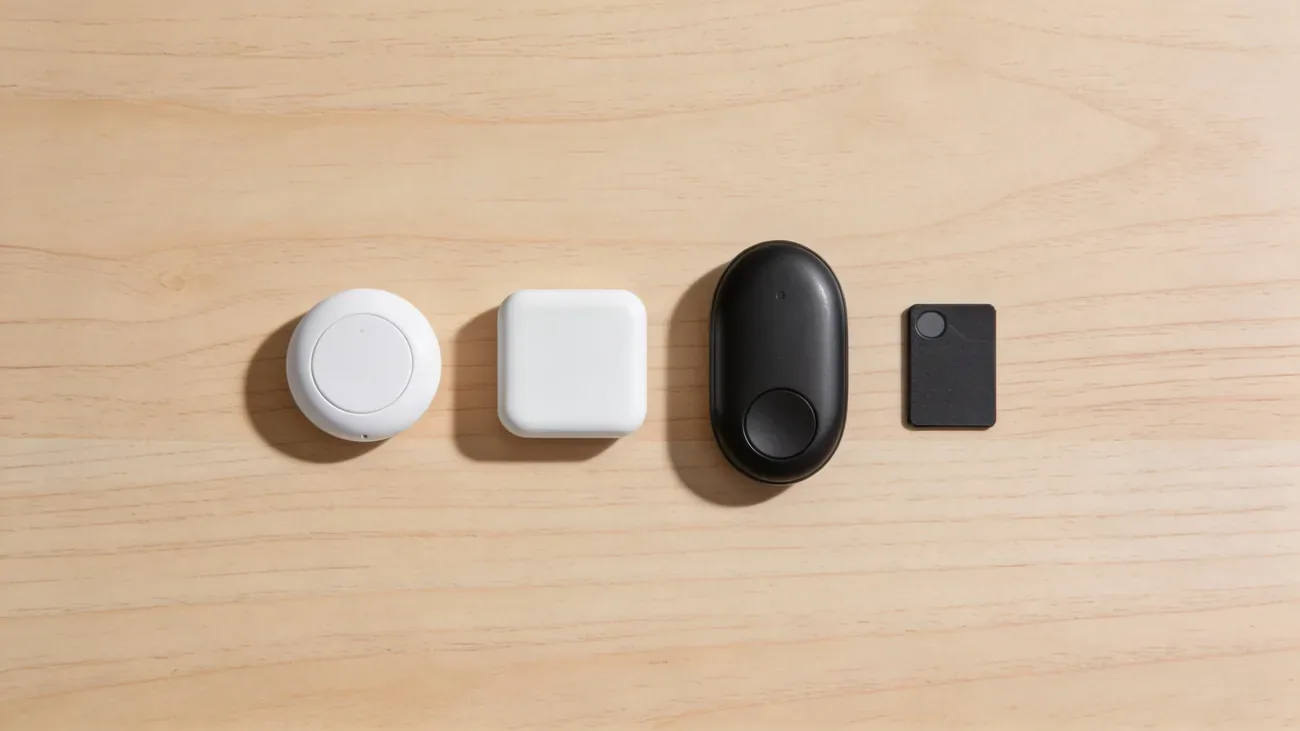
- Jiobit: the smallest of the group, now part of Life360. Best for toy breeds and cats where size matters most. Requires a subscription; check current pricing.
None of these are bad choices. They differ on price, battery life, health features, and international coverage. Compare subscription costs at your preferred term length. That number usually decides the purchase more than the hardware price.
The 30-second decision
Buy an AirTag ($29) if: your dog lives in a dense city, stays on leash except in fenced areas, and has never escaped into open terrain.
Buy a GPS tracker (hardware plus subscription) if: your dog goes off leash on hikes, has bolted before, lives near open land or woods, or you want geofence alerts before you even notice the dog is gone.
Use both if: you hike regularly with your dog and want the cheapest possible backup for the day your GPS tracker battery dies mid-trail.
The crowdsourced Find My network is genuinely impressive in cities. It is genuinely inadequate in the scenarios where a lost dog is hardest to find. A GPS tracker solves the hard scenario. An AirTag solves the easy one. For most people worried enough to read this comparison, the easy scenario is not the one keeping them up at night.
For how an AirTag compares against other Bluetooth trackers more broadly, see AirTag vs Tile vs SmartTag vs Chipolo.
Frequently asked questions
Can an AirTag track a dog in real time?
No. An AirTag has no GPS and no cellular radio. It reports its location when a nearby Apple device passes within Bluetooth range, so updates depend on foot traffic. In a dense neighborhood you may get updates every few minutes, while in a forest or rural area you can wait hours for a single ping.
What is the best GPS tracker for dogs?
Tractive is the most widely recommended starting point: current DOG 6 hardware around $79, plans from about $5 per month on longer terms, live GPS tracking, virtual fences, and worldwide coverage per Tractive. Fi suits US owners who want long battery life with a collar membership. Whistle adds health tracking for owners who want more than location.
Does an AirTag work if a dog runs into the woods?
Rarely, and never reliably. If nobody carrying a compatible Apple device walks past your dog, the AirTag sends no update. A cellular GPS tracker keeps reporting as long as it has GPS signal and a cellular connection, which covers most of the US and Europe including light rural areas.
How much does a GPS dog tracker cost over two years?
As an example, Tractive DOG 6 hardware around $79 plus a plan from about $5 per month totals roughly $199 over two years. An AirTag costs $29 once with no subscription. The GPS tracker costs several times more, which rural and off-leash dogs almost always justify.
Is a GPS tracker too heavy for a small dog?
Usually not. An AirTag weighs 11 grams. The smallest Tractive tracker weighs 35 grams and the Fi collar module about 56 grams. A commonly cited veterinary guideline caps collar items at about 5 percent of body weight, so a 5 kg dog can carry up to 250 grams. Toy breeds under 3 kg should use the smallest models.
Do GPS dog trackers work without cell service?
Not for live updates. The tracker can still read GPS satellites to know where it is, but most pet collars use a cellular network to send that location to your phone. In dead zones expect delayed or missing updates until coverage returns. Some units cache positions and upload them later.
Do I still need a microchip if my dog has a tracker?
Yes. A microchip is permanent ID that vets and shelters can scan; it does not provide live location but speeds reunions if the collar comes off or a battery dies. Trackers help you find your pet, microchips help others return your pet. Keep the chip registration details current.