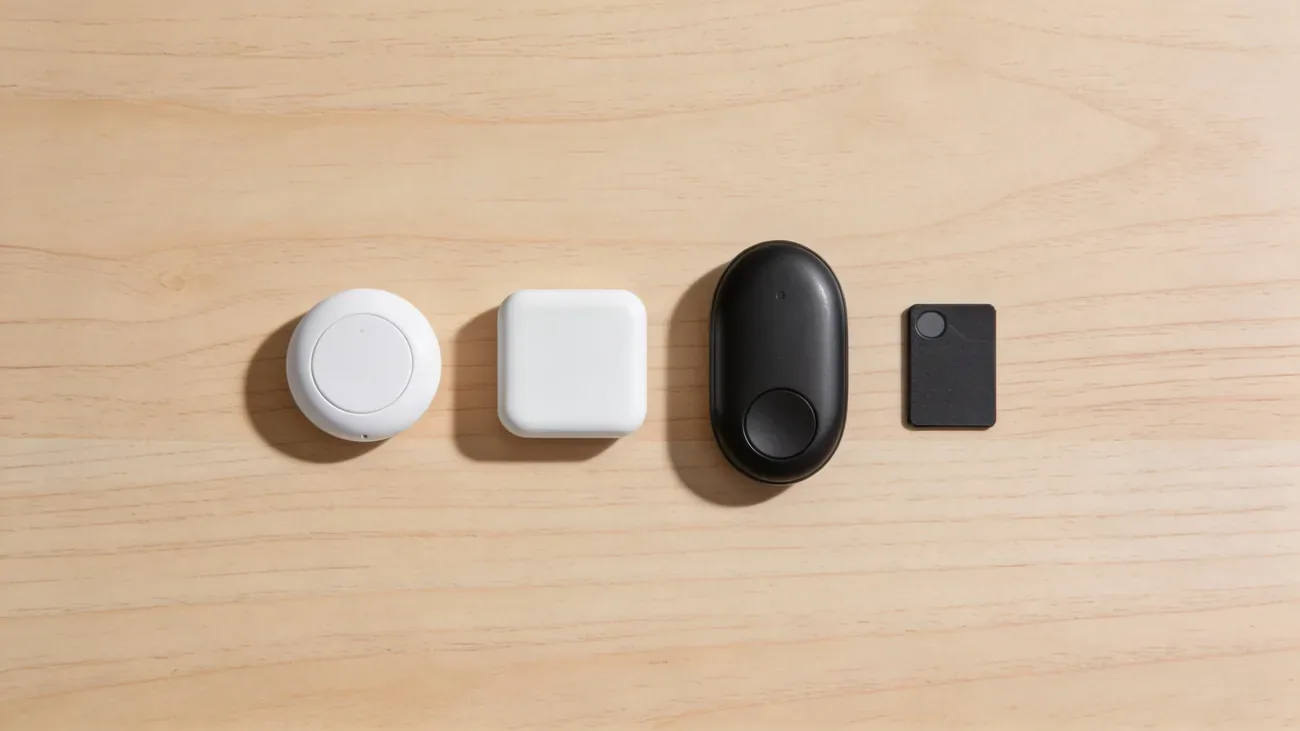
The useful distinction: iPhone owners should buy the AirTag, mixed iPhone and Android households should buy Tile, all-Samsung homes should buy the SmartTag2, and budget Android buyers should buy a Chipolo built for the Google network. The phone in your pocket decides, because each tracker only reaches its full potential inside its own finder network.
Table of contents
Bluetooth trackers are everyday items now: keys, wallets, suitcases, the occasional cat collar. The four names that matter are Apple AirTag, Tile, Samsung SmartTag, and Chipolo. Each has a real strength and a real limit, and the right pick depends mostly on which phone is in your pocket.
The specs below follow manufacturer pages and documentation from Apple, Tile (Life360), Samsung, and Chipolo, plus independent comparisons from PCMag, Life360, and Tapo. Prices are US list prices at the time of writing and move with sales.
TL;DR
- iPhone household, items only: AirTag
- Mixed iPhone and Android family: Tile
- All-Samsung Galaxy household: SmartTag2
- Android-first or budget pick: Chipolo built for the Google network
The short answer: match the tracker to your phone
| Your situation | Best pick | Why |
|---|---|---|
| iPhone only, tagging keys or bags | AirTag | Largest finder network, Precision Finding |
| Android only, want the Google network | Chipolo for Google | Native Google network support, no subscription |
| All Samsung Galaxy, want precision finding | SmartTag2 | Best inside SmartThings Find, UWB on newer Galaxy phones |
| Mixed iPhone and Android household | Tile | True cross-platform from a single app |
| iPhone household, want a keyring hole | Chipolo ONE Spot | Apple Find My compatible, built-in hole |
| Wallet | Chipolo card or Tile Slim | Card form factor, AirTag needs a bulky case |
The rest of this guide goes tracker by tracker, puts them side by side, then walks through real situations.
AirTag
Apple’s AirTag launched in 2021 and remains the default answer for iPhone owners. A single tag lists at $29 and a 4-pack at $99 on apple.com/airtag.
Its advantage is the Apple Find My network. Hundreds of millions of iPhones, iPads, and Macs relay tag sightings anonymously, so a lost AirTag in any populated area usually reports within minutes. No rival network matches that density. The tag also uses ultra-wideband for Precision Finding: with an iPhone 11 or newer, the Find My app shows an arrow and exact distance, which beats chasing a signal-strength bar. The replaceable CR2032 cell lasts about a year; see how long an AirTag battery lasts for the details.
Strengths
- Largest finder network of any tracker by a wide margin
- Precision Finding arrows on iPhone 11 and newer
- Replaceable battery, no subscription
- Unknown-tracker alerts built into iOS and, since 2024, into Android 6.0 and newer
Limits
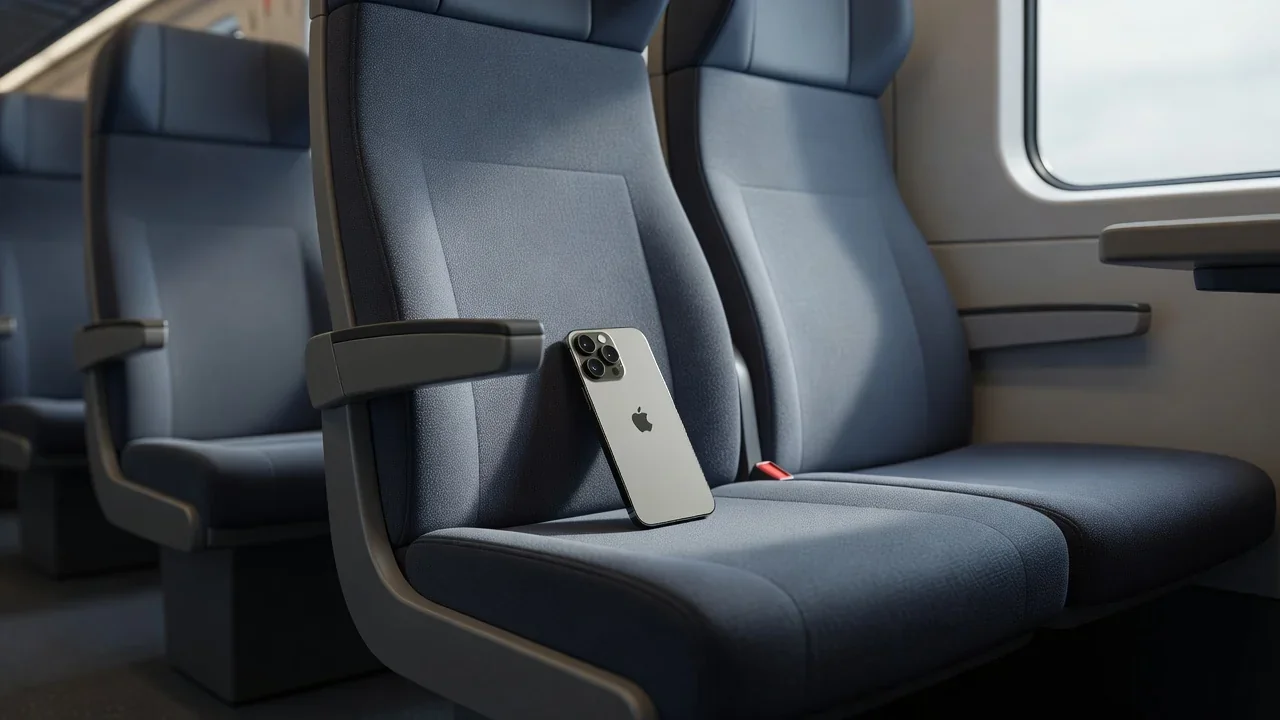
- Setup needs an iPhone or iPad. Android users cannot own an AirTag.
- No keyring hole, so a holder or case is an extra purchase.
- Daily use stays inside Apple’s ecosystem.
Best for: iPhone and Apple-household users tagging keys, bags, luggage, or bikes. Not for tracking people, as our AirTag for tracking people guide explains.
Tile
Tile is the original consumer Bluetooth tracker, founded in 2012 and owned by Life360 since 2021. The current lineup runs from the Tile Mate at $24.99 through the Tile Slim at $29.99 to the Tile Pro at $34.99 on tile.com, and every model has a built-in hole or adhesive, so no accessory case is needed.
Tile’s advantage is cross-platform parity: one app, full features on both iOS and Android from day one. In a house where one person carries an iPhone and another a Pixel, that matters more than network size. The trade is the finder network, which is smaller than Apple’s and thinnest in rural areas. Battery design varies by model: the Tile Pro uses a replaceable cell rated for about a year, while the Mate, Slim, and Sticker use sealed cells rated for up to 3 years.
Tile is also the only brand here with a paid tier. Premium costs $29.99 per year and unlocks 30 days of location history, Smart Alerts when you leave an item behind, and tracker sharing. Basic finding works without it.
Strengths
- Full app on both iOS and Android
- Four form factors, including a wallet card and a sticker
- Loud ringer, good for finding keys indoors
- No accessory needed to attach any model
Limits
- Smaller finder network than Apple or Google
- Premium plan gates history and Smart Alerts
- No ultra-wideband precision finding
Best for: mixed iPhone and Android households, families already on Life360, and anyone who wants one app across both platforms.
Samsung Galaxy SmartTag2
Samsung’s answer to the AirTag for the Galaxy ecosystem. The SmartTag2 launched in late 2023 at around $30 and works through Samsung’s SmartThings Find network, which relays sightings through Galaxy phones and tablets. Density runs strongest where Galaxy share is high, including South Korea, much of Europe, and the US.
The SmartTag2 supports ultra-wideband precision finding on Galaxy S22 series phones and newer, with an AR-style arrow similar to Apple’s. On older Galaxy phones you still get ringing and rough proximity, just not the arrow. The cell is a replaceable CR2032 rated for up to about 500 days in normal use, and the tag carries an IP67 dust and water rating. The hard limit is setup: it needs a Samsung Galaxy phone specifically. A Pixel or OnePlus cannot pair it.
Strengths
- Deep integration with Galaxy phones and SmartThings
- Precision finding on Galaxy S22 and newer
- Replaceable battery with the longest rated life here, IP67 rated
- No subscription
Limits
- Galaxy-only setup, even within Android
- Network density varies by region
- Little reason to buy outside a Samsung household
Best for: all-Samsung households already living in SmartThings.
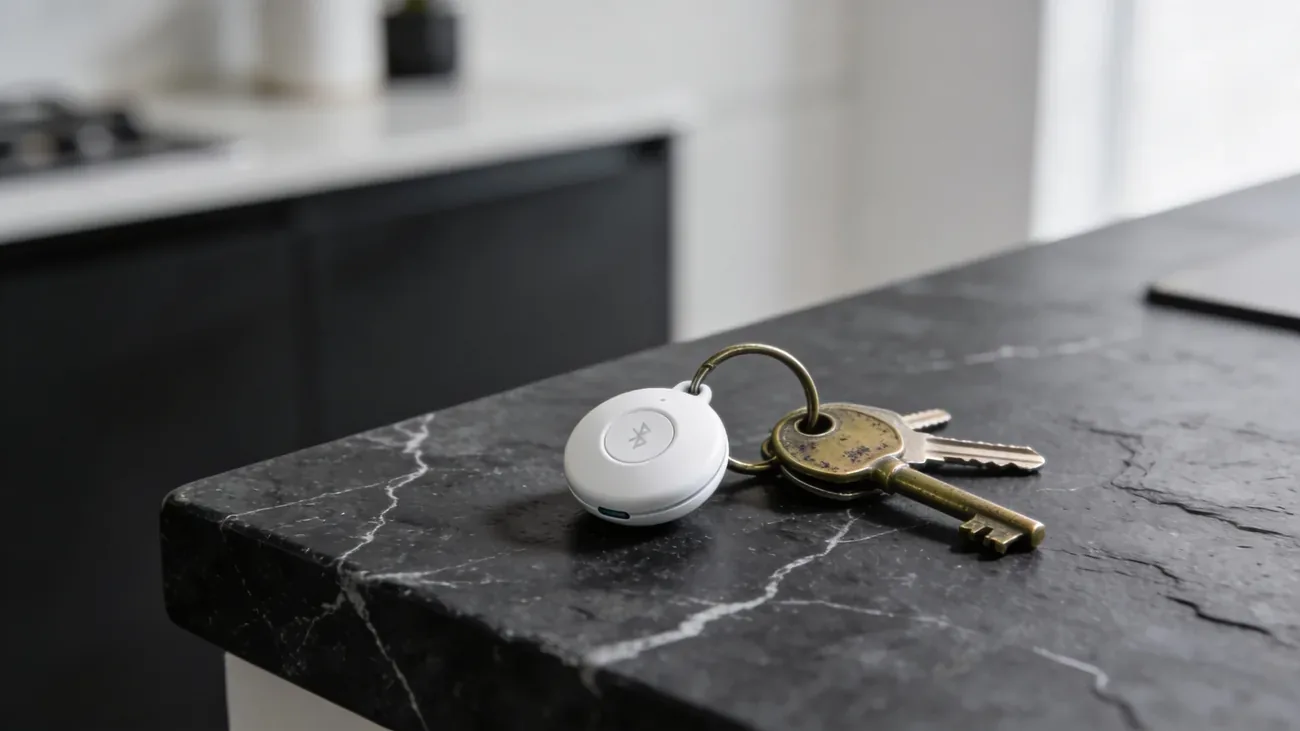
Chipolo
Chipolo is a Slovenian company whose niche is trackers for both major networks. The lineup has used two names worth knowing: the ONE Spot works with Apple Find My, and the ONE Point works with Google’s Android network, each around $30 to $35 on chipolo.net. Newer Chipolo models under the POP, LOOP, and CARD names follow the same split, pairing with either Apple Find My or Google’s Find Hub on Android, one network at a time. All use a replaceable CR2032 cell and include a keyring hole or card shape, so no extra holder is needed.
The split solves a real problem. Android users get a tag on Google’s large network with no subscription. iPhone users who want a keyring hole or a lower price than the AirTag grab the Apple-compatible variant instead.
Strengths
- Variants for both the Apple and Google networks
- Replaceable battery on current models
- Built-in keyring hole or card shape
- No subscription
Limits
- No ultra-wideband on current models, so no precision arrows
- Model naming across generations is confusing at checkout
- Each tag pairs with one network at a time
Best for: Android users wanting Google network coverage, or iPhone users wanting an AirTag alternative with a keyring hole.
Side-by-side spec comparison
| Feature | AirTag | Tile (Mate / Pro) | SmartTag2 | Chipolo |
|---|---|---|---|---|
| List price | $29 single, $99 4-pack | $24.99 to $34.99 | Around $30 | Around $30 to $35 |
| Finder network | Apple Find My, largest | Tile community, smallest | SmartThings Find (Galaxy) | Apple Find My or Google, by model |
| iPhone support | Full | Full app | View only via SmartThings | Full on Apple-compatible models |
| Android support | Alerts only | Full app | Full, Galaxy setup required | Full on Google-compatible models |
| Precision finding | Yes, iPhone 11 and newer | No | Yes, Galaxy S22 and newer | No |
| Battery | CR2032 replaceable, about a year | Pro replaceable about a year, others sealed up to 3 years | CR2032 replaceable, up to about 500 days | CR2032 replaceable |
| Subscription | None | Optional Premium $29.99 per year | None | None |
| Unknown-tracker alerts | iOS plus Android system alerts | iOS plus Android | Galaxy plus iOS and Android | Via Apple or Google, by model |
One standard now covers the safety side: Apple and Google’s joint unwanted-tracker alerts mean an unknown tag from any participating brand warns both iPhone and Android users without extra apps. For what those warnings look like, see what an unknown AirTag alert means.
Which tracker for each situation
Keys. Match your phone: AirTag for iPhone, Chipolo ONE Spot if you want a keyring hole, SmartTag2 for Galaxy, Chipolo for Google on other Android phones, Tile for mixed houses.
Wallet. Chipolo card or Tile Slim. An AirTag fits only with a bulky holder.
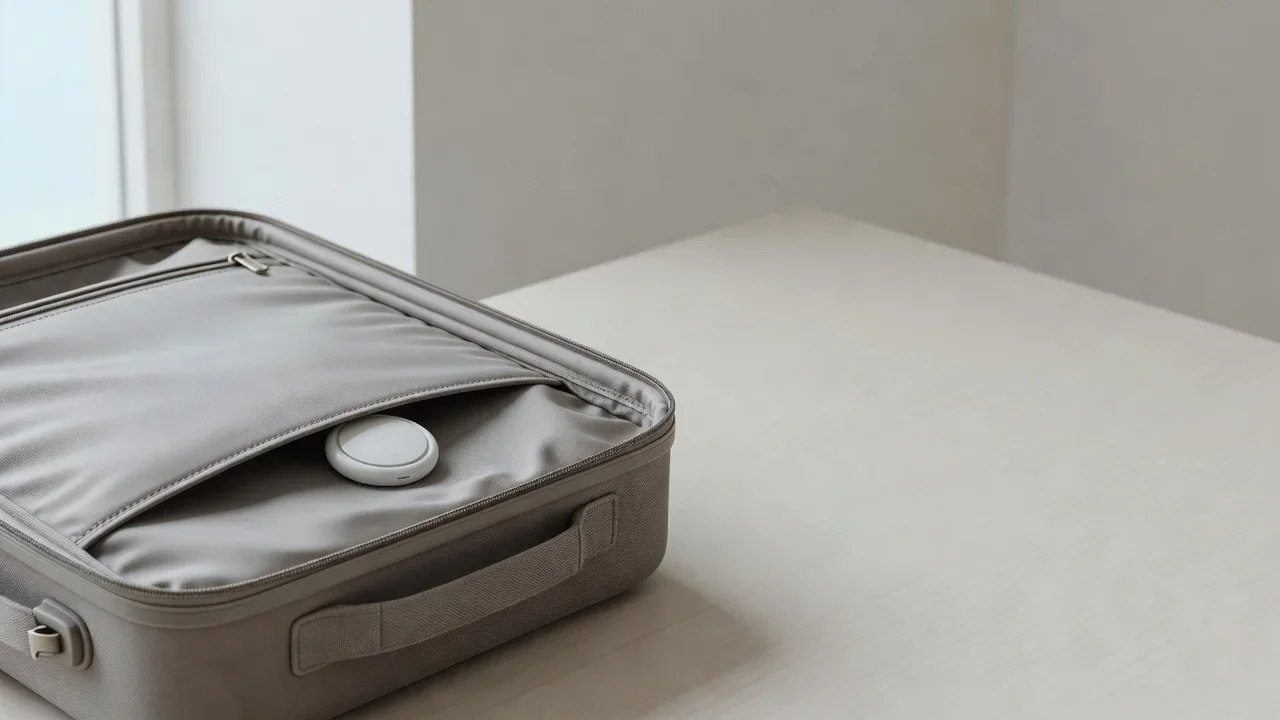
Travel bag. AirTag wins for iPhone owners who fly often, since airports and city centers have huge Apple device density and a delayed bag usually reports quickly. Tile is the cross-platform fallback.
Cat that stays near home. Any of the four works. The tag only updates near participating phones, so this covers the sunny-neighborhood cat, not the adventurer.
Car as recovery backup. AirTag or SmartTag2, hidden well. A thief with a modern phone gets an unknown-tracker alert within hours, so treat it as a deterrent and a first-hours aid, never a stealth device.
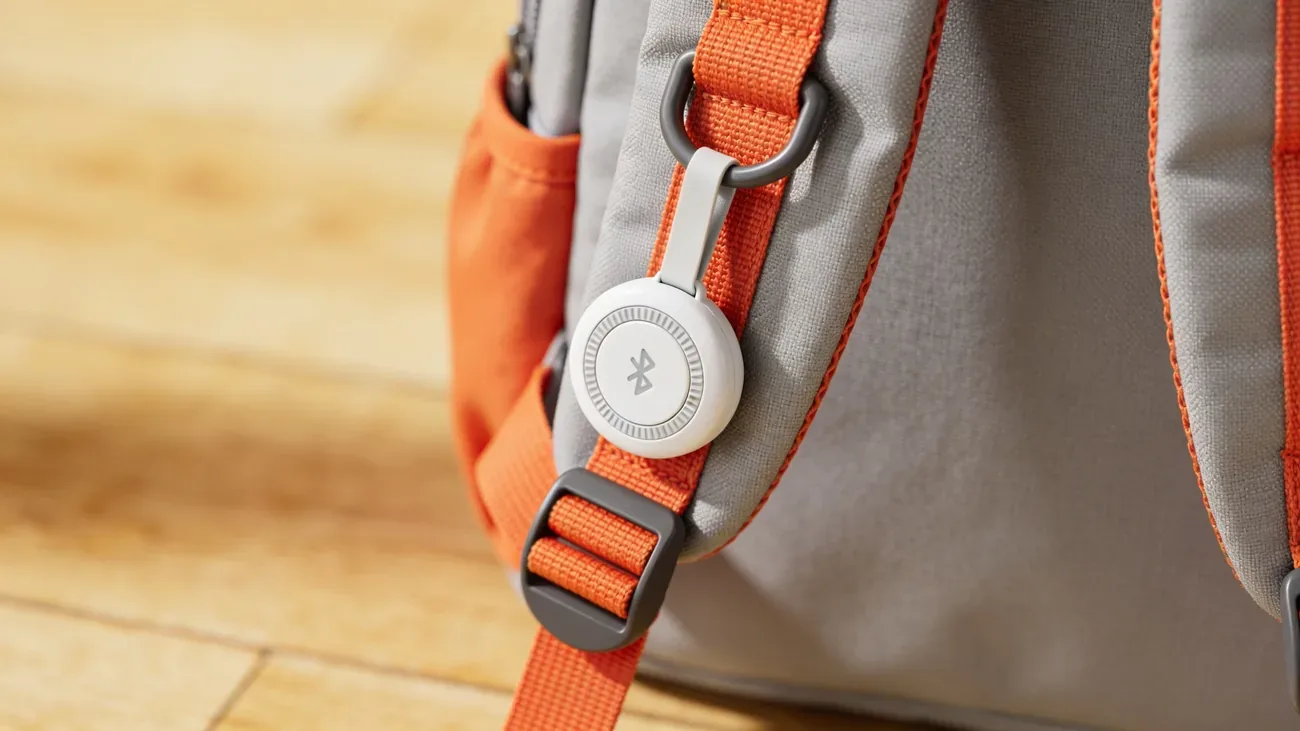
Kid’s backpack. Do not use a Bluetooth tag for this. Position updates only when another phone walks past, so use a GPS tracker with cellular instead, as explained in AirTag for tracking people.
Grandparent’s belongings. Wallet, keys, or walker handle: Tile or AirTag, tracked from a family member’s own phone.
International travel. AirTag is the most reliable across countries because Apple’s network stays dense in most cities worldwide.
Why none of these track people well
Every tag here was designed for objects, and three structural facts keep them there:
- No GPS. Position updates only when a participating phone passes within Bluetooth range. In a quiet area a tag can go hours without a ping.
- Alerts work as designed. Apple, Google, Samsung, and Tile all warn when an unknown tag moves with someone, and the tag may chirp to reveal itself.
- Wrong battery cadence. A coin cell reporting occasionally lasts a year. A real GPS tracker with a SIM reports constantly and charges every few days.
If you need to follow a person, an elderly parent who wanders or a child walking home, buy a dedicated GPS tracker with cellular. For the iPhone side of the ecosystem, the complete Find My iPhone guide shows what Apple’s own tools can and cannot do.
Pick the tracker that matches your phone and your honest use case. Skip any promise the hardware was never built to keep.
Frequently asked questions
Can AirTag work with Android?
Only for safety, not for ownership. You cannot set up an AirTag or see its location from an Android phone. What Android users do get is protection: Android 6.0 and newer show automatic unknown-tracker alerts, and Apple's free Tracker Detect app on Google Play runs a manual scan that plays a sound on a nearby tag. Android owners who want their own tracker should pick Tile, SmartTag2, or a Chipolo built for Google's network.
Which tracker has the biggest finder network?
Apple Find My, by a wide margin. Hundreds of millions of iPhones, iPads, and Macs relay tag sightings, so a lost AirTag in any populated area usually reports within minutes. Google's network for Android tags is the next largest, followed by Samsung's SmartThings Find, which is strongest where Galaxy phones are common. Tile's own community is the smallest of the four, which matters most in rural areas.
Do I need a subscription for Tile, AirTag, SmartTag, or Chipolo?
No subscription is required to find your things with any of the four. Tile is the only one that sells a plan worth knowing about: Tile Premium at $29.99 per year unlocks 30 days of location history, Smart Alerts when you leave something behind, and tracker sharing. AirTag, SmartTag2, and Chipolo include their full finding features with no recurring fee.
Which tracker is best for a mixed iPhone and Android house?
Tile. It is the only major tracker with a full app on both iOS and Android from day one, so one account and one app cover the whole family. An AirTag cannot be owned from Android at all, and a SmartTag2 needs a Samsung Galaxy phone for setup. If the house later standardizes on iPhones, an AirTag or a Chipolo ONE Spot becomes the stronger pick.
Can these trackers follow a child or a roaming pet?
No, not reliably. All four are Bluetooth tags, not GPS trackers: the position updates only when a participating phone passes within Bluetooth range, and anti-stalking alerts on iOS and Android warn the carrier within about 8 to 24 hours. A cat that stays near home is a fair use, but a child walking to school or a dog that roams blocks needs a real GPS tracker with cellular.