Note: This article covers a topic where laws vary significantly by country and state, and where consent issues matter. Always check local law and never track anyone without their informed consent except in the specific exempted situations this guide covers.
Before you act: An AirTag can show where a backpack or coat was last seen near an Apple device, but it cannot track a person live: it has no GPS and no cellular radio, and anti-stalking alerts sound within about 8 to 24 hours. Tracking a competent adult without consent is illegal in the US, UK, and EU. For real-time safety, use a GPS tracker with cellular instead.
Table of contents
Apple sells the AirTag as a way to find keys, a wallet, or a backpack. Many parents and adult children ask a different question: can a $29 tag keep my kid safer at school pickup, or help me find my mom with Alzheimer’s if she wanders off?
The honest answer is that it helps in some low-stakes situations and fails in the ones that matter most. The battery lasts about a year, there is no subscription, and Apple’s Find My network is huge. But the tag has no GPS and no cellular radio, and Apple states plainly that the AirTag is designed to track items, not people. This guide covers what actually works, where the alerts get in the way, and where the legal lines sit in the US, UK, and EU. The technical claims below follow Apple’s support documentation and independent reporting from PCWorld, NPR, and the Coalition Against Stalkerware.
Can an AirTag track a person at all
Technically yes. Reliably, no.
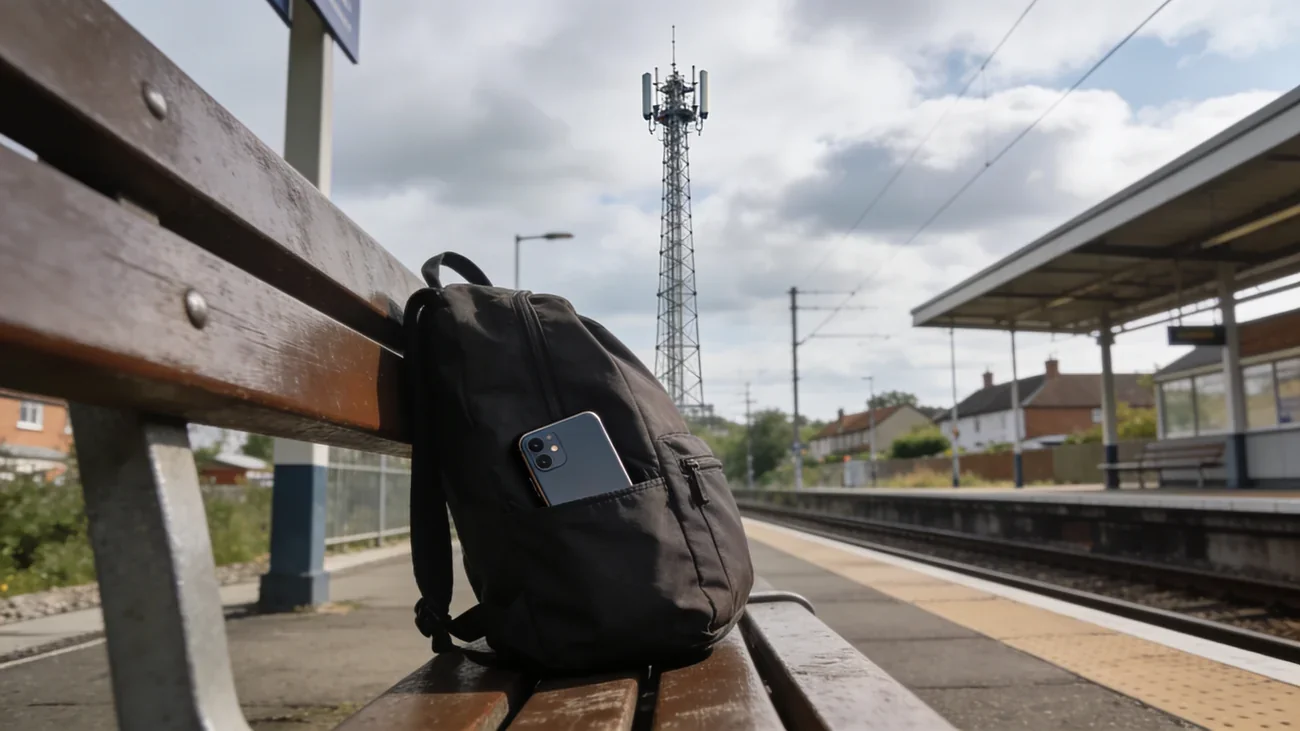
A tag clipped to a backpack will appear in your Find My app. The position you see is whatever an iPhone, iPad, or Mac last reported when it walked near the tag. In a dense city that can refresh every few minutes. In a quiet suburb or a rural area it can sit stale for hours. If your kid is in a windowless gym at 2 PM, the map may still show the parking lot from the 8 AM drop-off.
TL;DR
AirTag works as a “where did they leave the backpack” recovery tool. It does not work as a “where is my child right now” live tracker. For real-time person safety, a cellular GPS device is the correct tool.
How AirTag location really works
An AirTag broadcasts a rotating, encrypted Bluetooth Low Energy identifier about every two seconds. Any nearby Apple device that hears it relays the sighting to Apple anonymously, and Apple pushes the update to the owner’s Find My app. Apple documents this crowdsourced relay in its Find My support pages. Three consequences follow:
- Updates depend on Apple device density. Manhattan refreshes in minutes. A quiet rural road can go hours with no ping at all.
- Each ping needs Bluetooth range. The tag must be within roughly 30 feet of a relaying device.
- There is no live trail. You get snapshots, never a moving dot.
The U1 ultra-wideband chip enables Precision Finding, which shows direction and distance arrows when you are within about 30 feet of the tag and using an iPhone 11 or newer. That helps you find keys in the couch. It does not help you find a person across town. The replaceable CR2032 cell lasts about a year, which is why the tag can afford to sip power and report rarely. More detail is in our guide on how long an AirTag battery lasts.
AirTag for kids: where it helps and where it fails
A tag in a child’s backpack is a popular setup, and for recoverable, low-stakes moments it earns its place.
Where it genuinely helps:
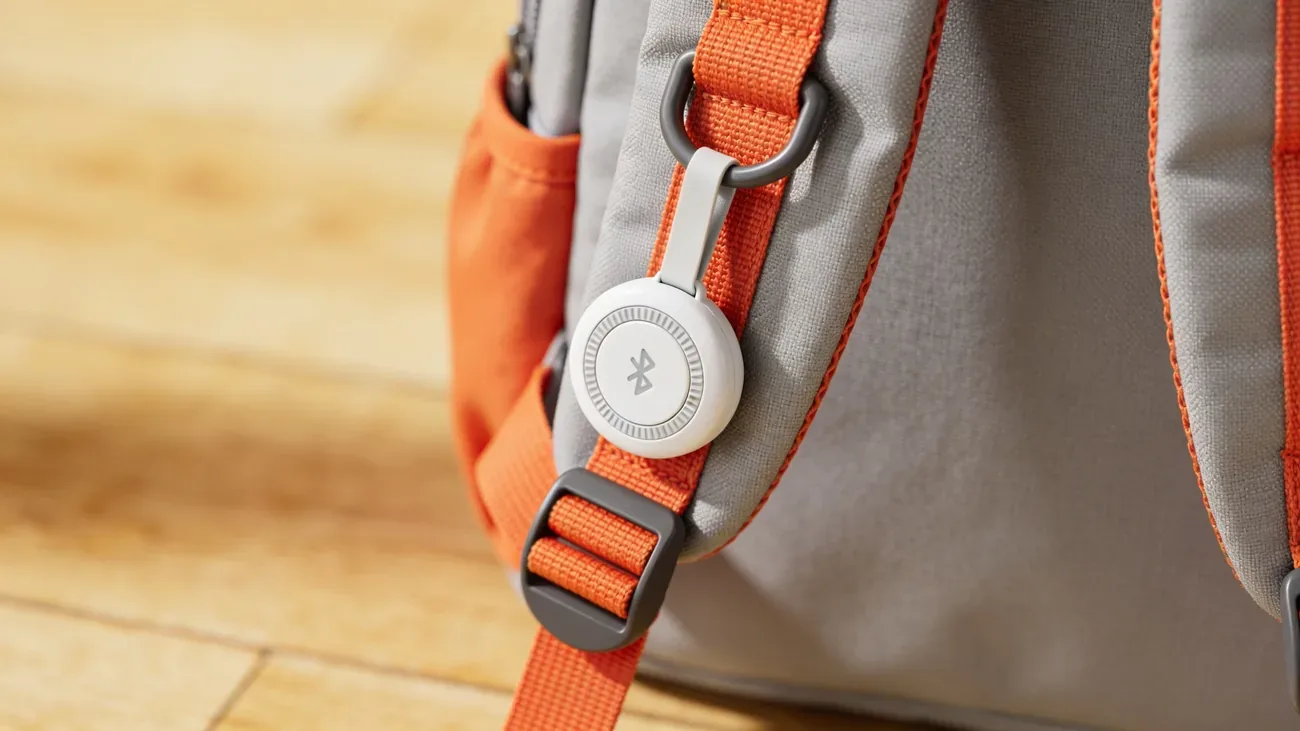
- The backpack gets left on the school bus. You see the depot location and call the school.
- Your kid insists the soccer bag is lost forever. You check, find it at the field, and drive over.
- A young child gets separated at a crowded fair. The last reported position narrows your search.
Where it fails parents:
- A live view of a 9-year-old walking home. Nothing updates on a quiet block until another Apple device passes by.
- Checking whether your teen really went to debate club. The position can lag long enough to mislead you in both directions.
- Any emergency where minutes matter. You will be reading stale data at the worst moment.
PCWorld’s family test reached the same verdict: with his family’s full knowledge, the author compared an AirTag and a Tile against a phone-based GPS app and found the Bluetooth tags useful as a supplement, never as a live picture. For the “where is my kid right now” question, a kid-friendly phone with Family Sharing, or a GPS watch, answers what a tag cannot.
AirTag for an elderly parent with dementia
Wandering is one of the most dangerous symptoms of mid-stage Alzheimer’s, and this is where the gap between a tag and a real tracker hurts most. A tag sewn into a familiar jacket can confirm the person is still in the building, and it can help locate them after the fact if a neighbor’s phone relays the tag. It cannot alert you the moment they step out the door, and it cannot show their position as they move.
Purpose-built alternatives close exactly those gaps:
| Capability | AirTag | GPS tracker with cellular |
|---|---|---|
| Real-time position | No, snapshots only | Yes |
| Works with no Apple devices nearby | No | Yes |
| Leave-home alert the moment it happens | No | Yes, geofence alerts |
| SOS button or two-way voice | No | Yes, on most models |
| Battery | About a year, CR2032 | Days, rechargeable |
| Subscription | None | Monthly cellular plan |
If your parent already carries an iPhone and accepts it, consensual location sharing in Find My beats a tag: GPS plus cellular, constant refresh, and consent built in. And consent still matters here. Many people in early-stage dementia are lucid enough to find covert tracking distressing. “Mom, you have gotten lost twice this month, can we put a tracker in your purse so I can help?” is a different ethical act than slipping a tag into her bag.
The anti-stalking alerts that complicate family use
Apple added anti-stalking features in 2021 after early reports of tags used to follow people, and with Google it extended automatic unknown-tracker alerts to Android 6.0 and newer in 2024. The system works as designed, which sometimes trips up legitimate family setups.
How an alert triggers:
- A tag that is not registered to your Apple ID or Google account travels with you for an extended period, roughly 8 to 24 hours.
- You are away from the tag’s owner.
- Your phone shows an unknown-tracker notification, and the tag itself can chirp so you can find it.
Where this hits legitimate setups:
- Your kid’s backpack tag rides with the babysitter for an afternoon.
- The gear bag carpools to practice with another parent driving.
- A school field trip with chaperones whose phones flag the tag.
There is no whitelist for trusted contacts, and Android users can also run a manual scan in Apple’s free Tracker Detect app. The realistic fix is communication: tell the babysitter, coach, or chaperone the tag is there, why it is there, and how to dismiss the notice. For the full walkthrough of these warnings, see our guide on unknown AirTag alerts.
AirTag vs GPS trackers for people: the honest verdict
AirTag wins on price and on set-and-forget battery life. It loses on every metric that matters when a person’s safety is the goal: live position, instant leave-home alerts, SOS, and two-way voice. Frame it correctly and both tools have a place. The tag recovers lost items and occasionally helps after the fact with people. The GPS tracker guards a person who might wander, get lost, or face an emergency.
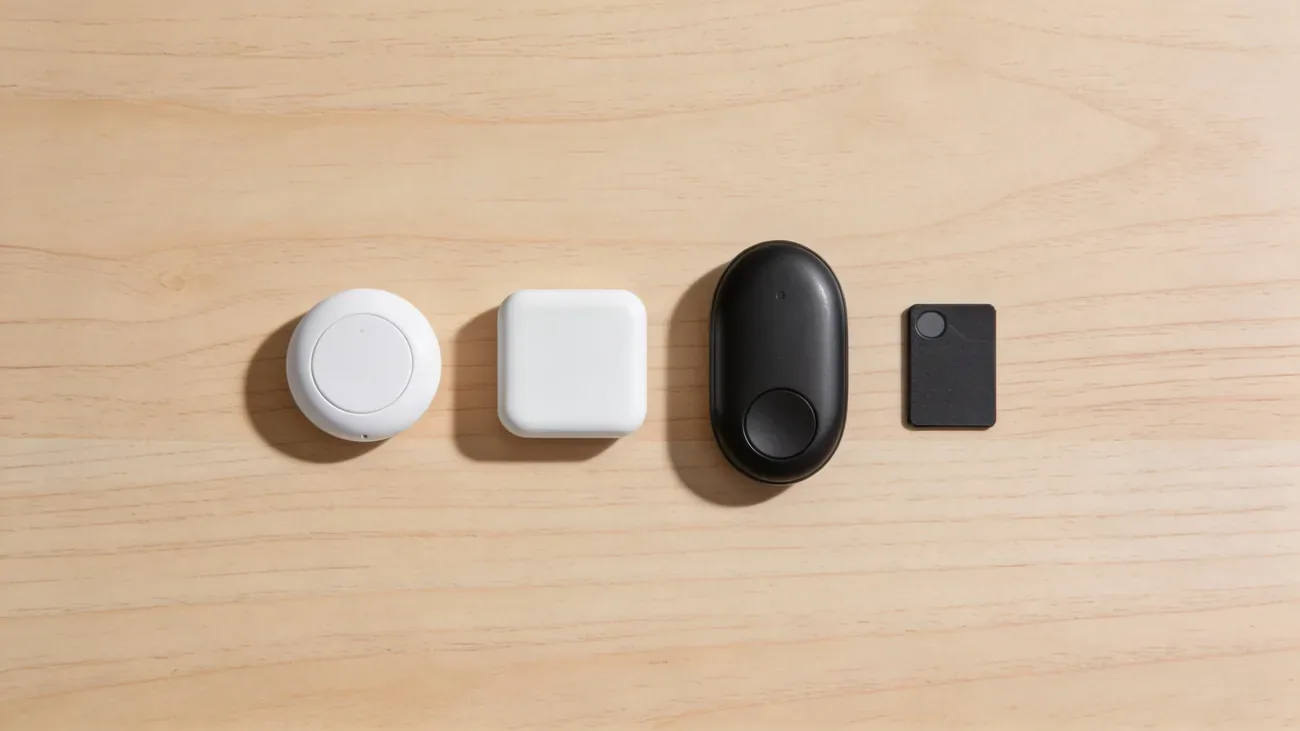
If your question is Bluetooth tag versus Bluetooth tag rather than tag versus GPS, our AirTag, Tile, SmartTag, and Chipolo comparison covers that decision.
What the law says in the US, UK, and EU
One rule holds across nearly every developed jurisdiction: tracking a competent adult’s location without consent is illegal. Marriage, dating, or living together creates no exception.
United States. No single federal law bans adult tracking outright, but 18 U.S.C. section 2261A (federal stalking) can apply when tracking crosses state lines or involves intent to cause fear, and most prosecutions happen under state law. California Penal Code section 637.7 bars using an electronic tracking device on another person without consent. Illinois updated its stalking statute in 2023 to name Bluetooth trackers explicitly. Courts in Florida, Texas, Virginia, and other states have applied existing anti-stalking and surveillance laws to AirTag cases. Tracking your own minor child is generally within parental authority, except in custody disputes.
United Kingdom. The Protection from Harassment Act 1997 and the Stalking Protection Act 2019 cover non-consensual location tracking, and UK courts have treated covert AirTag use against an adult as harassment.
European Union. GDPR treats location data as personal data, so processing it without a lawful basis such as consent is unlawful. National criminal codes add stalking offenses, for example section 238 of the German Criminal Code and Article 222-33-2-2 of the French Penal Code, and Germany has prosecuted AirTag stalking under both tracks.
Bottom line. If the person is a competent adult, get consent or do not do it. If you suspect you are being tracked, the Coalition Against Stalkerware keeps victim resources, the US National Domestic Violence Hotline is 1-800-799-7233, and our guide on how to detect if your phone is being tracked walks through detection step by step.
Four questions to answer before you place the tag
Legality is the floor, not the ceiling. Four questions are worth sitting with first.
1. Do they know? An adult or a teen old enough to understand should know. Covert tracking of a competent person in your own home is a red flag for the relationship even where it is technically legal.
2. Is there a genuine capacity issue? A 5-year-old or a parent in mid-stage dementia cannot meaningfully consent or refuse, which gives a good-faith caregiver different standing than a partner tracking a partner.
3. Would they agree if they could? A useful test for dementia. If your mom before the diagnosis would have said “please keep me safe if this happens,” that is real moral cover. If she would have hated it, you are overriding the person she was.
4. Are you tracking the minimum? The narrower the use, the easier the ethics. A tag in the backpack for the lost-bus problem differs from a tag on every coat so you always know where your partner is. The first answers a specific worry. The second is surveillance.
If you cannot answer all four cleanly, the problem is not which tracker to buy. It is whether to track at all.
Frequently asked questions
Is it legal to put an AirTag in my child's backpack?
Yes, in most cases. Tracking your own minor child is generally treated as part of parental authority in the US, UK, and EU. Tell the child anyway once they are old enough to understand, and tell the school, babysitter, or coach too, since their phones may flag the tag. The exception is custody disputes, where courts have ruled against one parent covertly tracking through the other parent's household.
Can I track my spouse with an AirTag without telling them?
No. Tracking a competent adult without consent meets the definition of stalking or unlawful surveillance in nearly every US state, in the UK under the Protection from Harassment Act 1997, and in the EU under GDPR plus national stalking laws. Marriage creates no exception. If you found an unknown tag and feel unsafe, call the US National Domestic Violence Hotline at 1-800-799-7233 or read our detection guide linked below.
Why does the AirTag location go stale for hours?
Because an AirTag has no GPS and no cellular radio. It only broadcasts a short-range Bluetooth signal, and its position updates only when an Apple device passes within roughly 30 feet and relays the ping. On a busy street that happens every few minutes, but on a quiet block, in a school gym, or in a rural area, hours can pass with no update. The map shows the last relay, never a live dot.
What works better than an AirTag for a parent with dementia?
A dedicated GPS tracker with cellular, such as Jiobit or AngelSense, or an Apple Watch with Family Setup and a cellular plan. These report real-time GPS positions, send an alert the moment the wearer leaves a set area, and most offer an SOS button or two-way voice. An AirTag costs less and needs no charging for about a year, but it cannot alert you at the door or show movement as it happens.
Why did the babysitter's iPhone warn about my kid's AirTag?
That is Apple's anti-stalking system working as designed. When a tag registered to you travels with someone else for roughly 8 to 24 hours, their iPhone shows an AirTag Found Moving With You alert, and the tag itself can chirp. There is no whitelist for trusted adults. Warn the babysitter, carpool parent, or chaperone in advance so they recognize the notification and know it is yours.
Can Android phones detect an unknown AirTag?
Yes. Since 2024, Android 6.0 and newer receive automatic unknown-tracker alerts through the joint Apple and Google standard, no app needed. Apple's free Tracker Detect app on Google Play adds a manual scan that plays a sound on a nearby tag. Either path lets an Android user find the tag, read its serial number, and disable it by removing the battery.