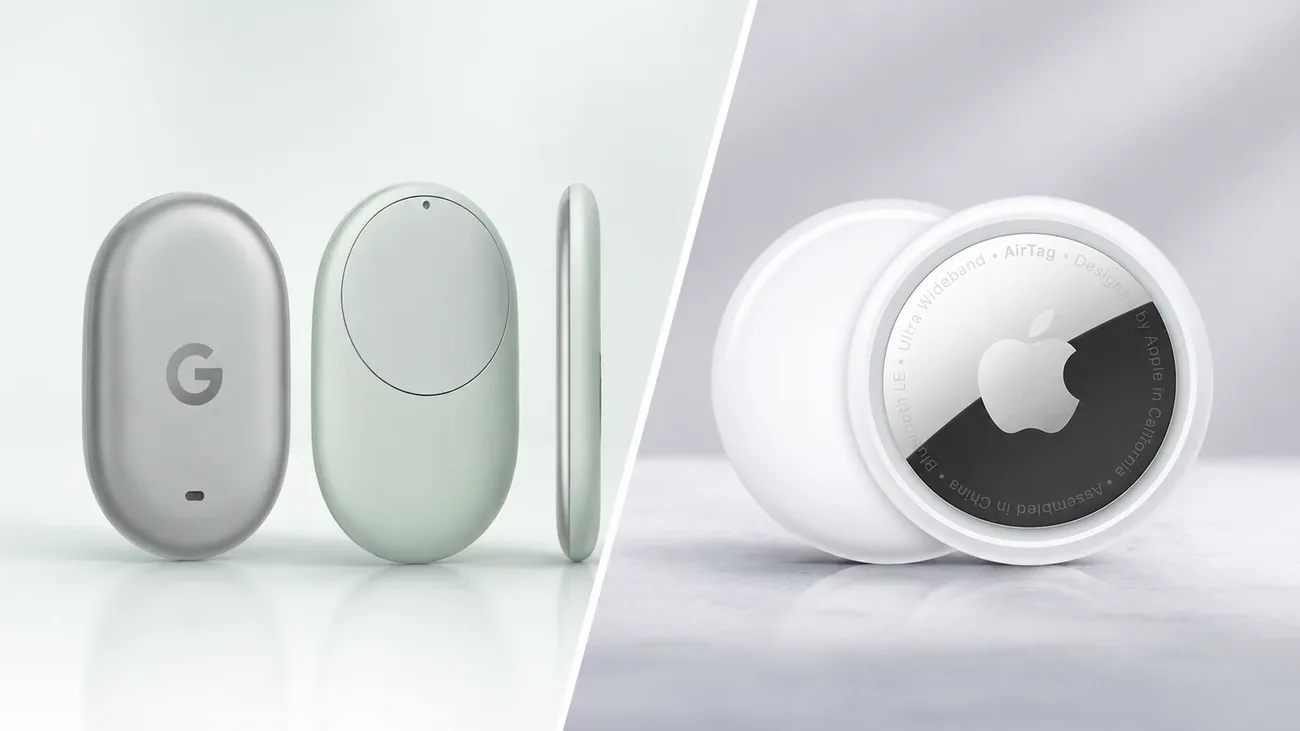
What matters here: Google Pixel Tag is Google's first Bluetooth tracker: $29 ($99 for four), on sale November 11, with Find Hub support, UWB precision finding, a replaceable CR2032 battery rated up to one year, and a button that rings your phone. It finds items, not people or pets, and needs Android 9 or newer.
Table of contents
Google Pixel Tag is Google’s first own-brand Bluetooth tracker. It is made for keys, luggage, bags, and other objects that vanish at the wrong moment. The $29 tag works with Google Find Hub, has a replaceable CR2032 battery, supports Ultra Wideband Precision Finding, and adds a small button that can ring your phone.
It is not on sale yet. Google announced it on August 12, 2026 at Made by Google and says sales begin on November 11. That timing matters for how to read this product: the details below come from Google’s published specifications and launch announcement, not a long-term hands-on review. Real-world network reporting, accessory quality, and battery life need a revisit after the retail launch.
Short verdict. Pixel Tag is the most direct Google answer to AirTag for Android users. Wait for it if you use Android, want native Find Hub support, and value UWB guidance or the phone-finder button. Do not buy it for live tracking of people, pets, or stolen property. It is an item finder, not a cellular GPS tracker.
What Pixel Tag is and is not
Pixel Tag broadcasts Bluetooth. When a participating Android device passes nearby, the Find Hub network can relay an encrypted location so the owner can see where the item was last detected. Google says the network includes more than one billion Android devices worldwide.
That makes the product useful when a backpack is left behind, keys slide between furniture, or luggage goes missing in a busy airport. It does not mean the tag broadcasts a continuous location on its own. It has no SIM card, no cellular plan, and no independent GPS connection. In a quiet area with no nearby Android devices, the map may show an older location until somebody passes the item.
The right mental model is an object-finder network. For a deeper explanation of the network behind it, see our Google Find Hub guide.
Pixel Tag price, release date, and design
Google lists Pixel Tag at $29 for a single tag and $99 for a four-pack in the US. Sales are scheduled to begin on November 11, 2026, and Google points buyers to the Google Store for availability updates. The tag comes in one color, Fog, and Google describes a durable stainless-steel design.
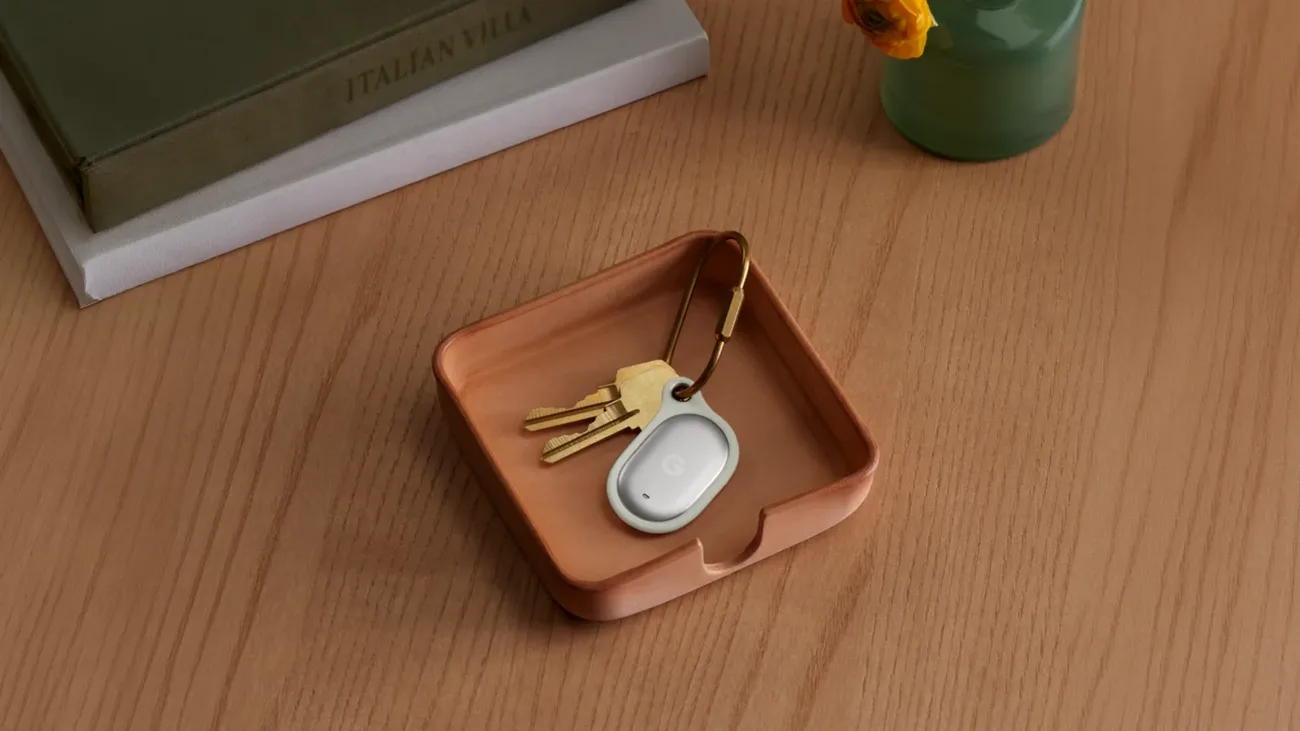
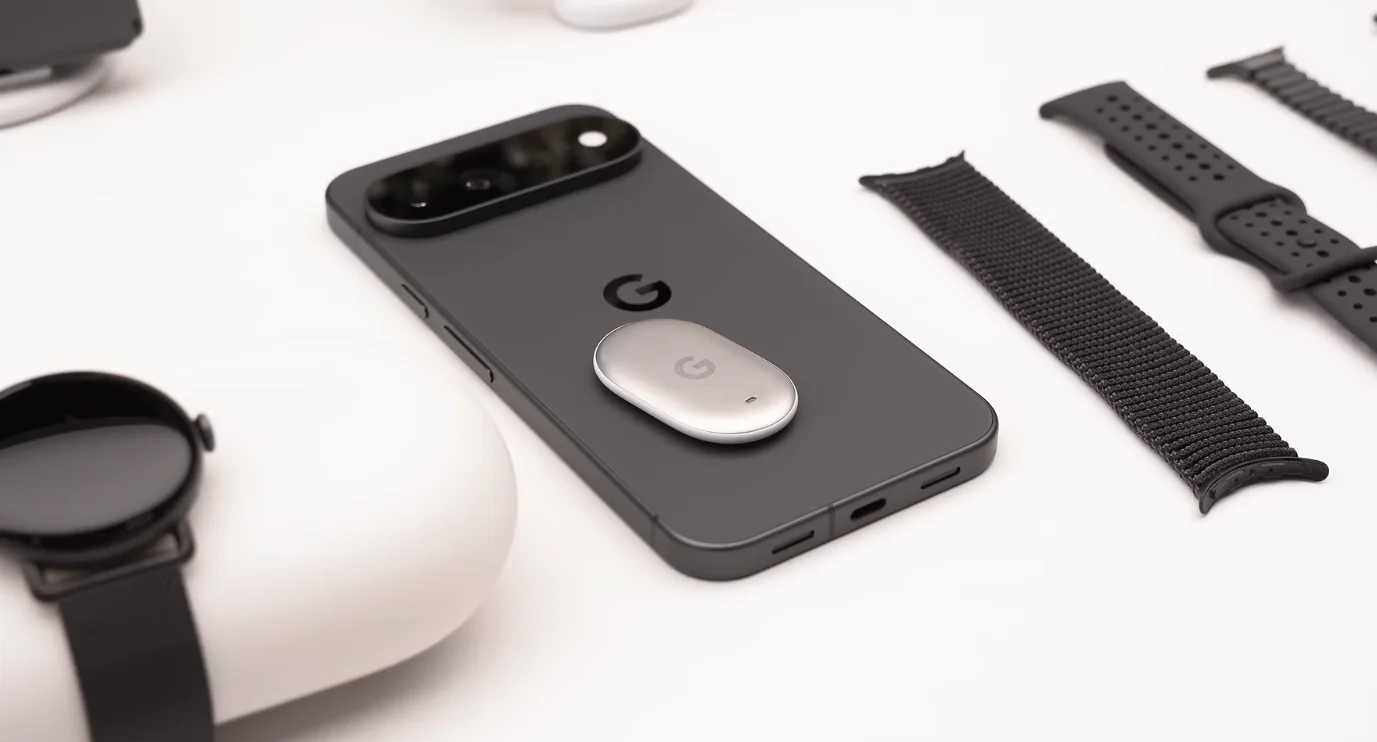
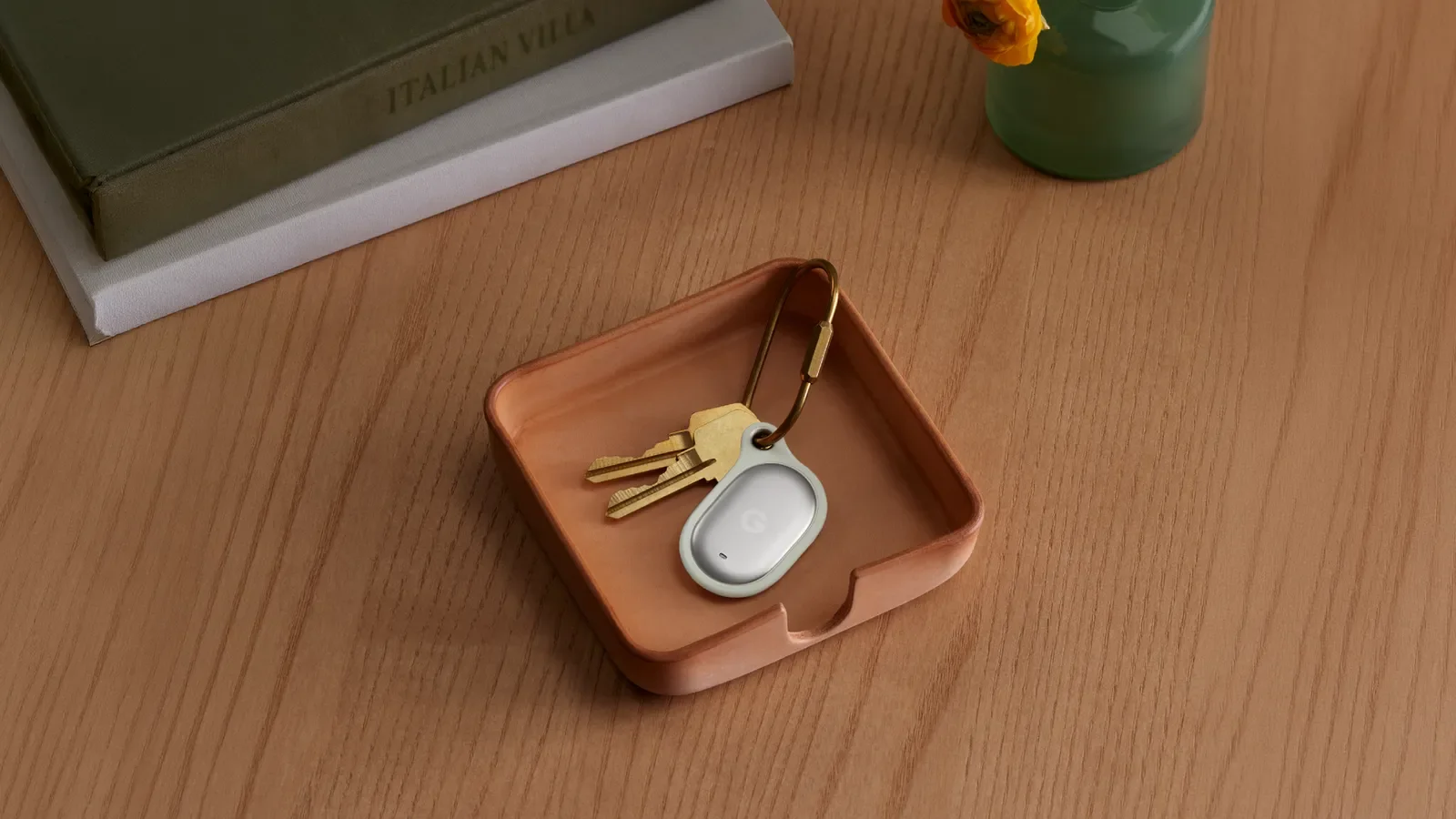
It measures 46.1 by 28 by 5.4 mm and weighs 11.8 grams with its battery. The body is long and thin enough for a bag pocket or a roomy wallet. It has no built-in keyring hole, so keys will still need a case or holder. That matches the 9to5Google pre-launch report, which noted the oblong shape and the lack of any built-in mounting mechanism.
Google rates the tag IP67 for dust and water resistance, meaning it is intended to survive dust and a brief accidental immersion up to one meter. It should handle rain, wet luggage, and the ordinary spills that happen around a bag. It is not a waterproof adventure tracker or a substitute for a rugged GPS device.
Compatibility: Android 9 gets the basics, hardware unlocks precision
Pixel Tag works with Android phones running Android 9 or newer with Bluetooth 6.0 or newer. Pairing is handled through Fast Pair: pull the battery tab, hold the tag near the phone, and follow the on-screen steps. That is enough to name the tag, view its location, make it play a sound, and use the crowdsourced network when the tag is out of ordinary Bluetooth range.
The most precise nearby search requires more. Pixel Tag supports Ultra Wideband, so it can provide directional finding when your phone supports UWB too. Google lists newer Pixel Pro phones, selected Samsung Galaxy Plus and Ultra phones, and some Motorola models as examples of Android devices with UWB support. Hardware varies by exact model and market, so check your own device instead of assuming the Android version alone is enough.
Pixel Tag also supports Bluetooth Channel Sounding. This newer Bluetooth capability can improve distance measurement on compatible hardware. It does not turn every Android phone into a UWB phone. The simple rule is: a compatible phone gets richer directional guidance, while all supported Android phones still get basic finding and sound.
| Situation | What you need | What Pixel Tag can do |
|---|---|---|
| Add the tag and view it in Find Hub | Android 9 or later | Pairing, item map, settings, sound |
| Find keys across a room | Bluetooth range | Make the tag ring and follow proximity |
| Get direction and distance guidance | UWB-compatible Android hardware | Precision Finding |
| Find an item far away | Nearby participating Android device | Last reported location through Find Hub |
| Share an item | Owner’s Find Hub controls | Google says up to ten people can share access |
UWB, Channel Sounding, and Find Hub each solve a different problem
It is easy to bundle these names together and expect one magic tracking feature. They operate at different distances.
UWB Precision Finding is for the final search when the tag is nearby. It helps guide you toward the item with direction and distance, subject to walls, furniture, and compatible phone hardware.
Bluetooth Channel Sounding is a Bluetooth-based distance capability for compatible devices. It can improve close-range awareness, but it is not an unlimited-range location service.
Find Hub is the long-distance layer. It uses nearby Android devices to relay a tag’s location when the owner is far away. Its usefulness rises in places where people and Android phones pass frequently, such as stations, terminals, stores, and city centers. It falls in places where no such phone is nearby.
This is why Pixel Tag makes sense for keys, luggage, a bag, or a bicycle you want to recover after it is misplaced. It does not make sense as the only protection for a car, as a live pet tracker, or as a way to follow a person.
Battery, phone finding, sharing, and alerts
Pixel Tag takes a user-replaceable CR2032 coin cell and Google says it lasts up to one year. Google notes the estimate comes from pre-production testing with everyday sound and Precision Finding use, so real life will vary. There is no charging port and no subscription for normal item finding. A coin-cell design suits a tag you do not want to charge every week, but it also means watching for low-battery alerts and keeping a replacement cell available.
The physical button is the distinctive extra. Pressing it can ring a connected phone even when the phone is silent. That sounds minor until your phone and your keys disappear into the same sofa. Google also says the tag can be shared with up to ten people, a useful feature for a household bag or suitcase. Do not share access casually: anyone with access can see the item’s location.
Two more practical touches come from the announcement. Left Behind alerts can warn you before you walk away from a tagged item. And the tag works beyond the phone: you can locate and ring it from a Pixel Watch through the Find Hub app or a browser, or ask Gemini to ring it through Pixel Buds.
Privacy, safety alerts, and appropriate use
Google says Find Hub location data is end-to-end encrypted and not stored with the network in a form Google can read. The network also takes part in unwanted-tracker protections. An Android phone can alert a person if an unknown compatible tracker seems to travel with them. The recipient can view detection information, make the tracker play a sound, and follow manufacturer instructions to disable it.
Those protections are important. Pixel Tag is for objects you own or are authorized to manage, not for secretly monitoring a person. It also does not offer the continuous reporting needed for dependable live monitoring. If you ever receive an Android tracker warning, follow our Android alert guide rather than dismissing it.
Should you wait for Pixel Tag
Wait if you use Android, prefer Google Find Hub to a separate tracker app, and can benefit from a $29 tag that may provide UWB guidance with the right phone. The physical phone-finder button and the larger sharing limit are useful practical touches, and Left Behind alerts cover the classic keys-on-the-table scenario.
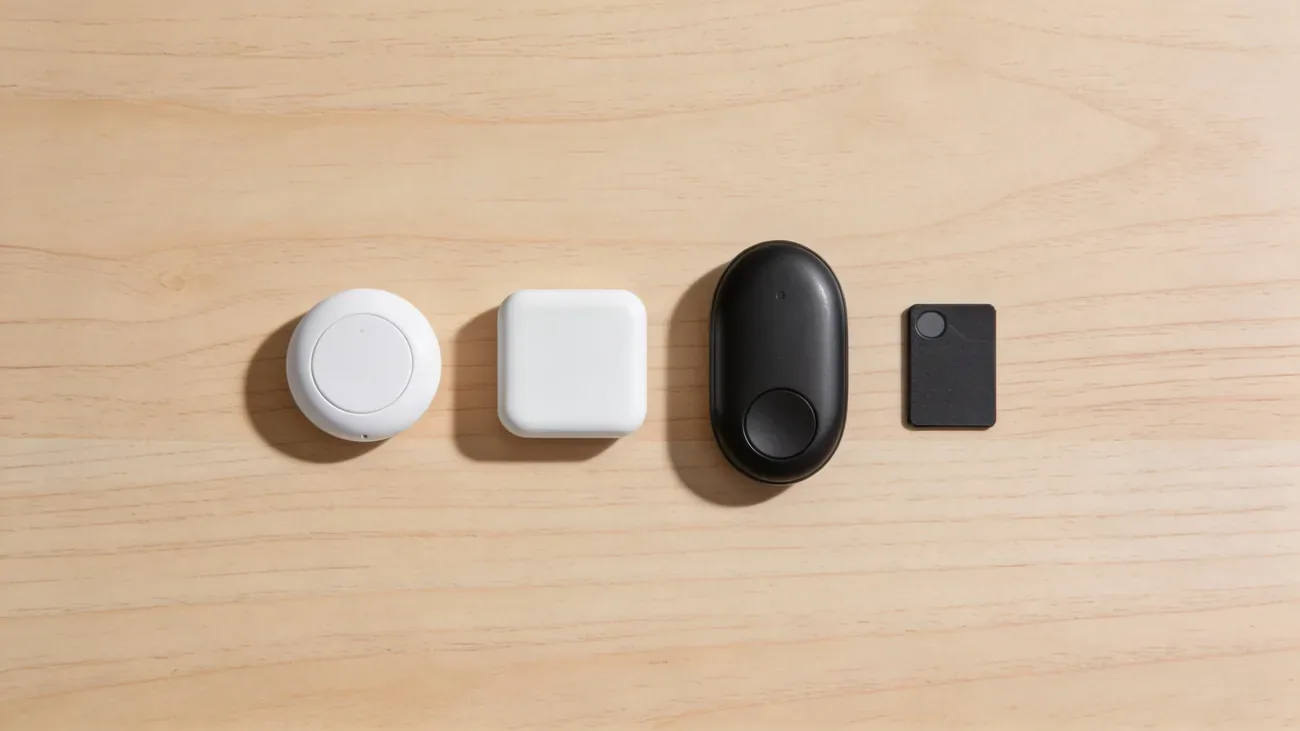
Buy an available tracker now if you need one before November 11. Do not buy AirTag merely because its network is familiar if you do not own an iPhone or iPad. The closest alternative needs to match the phone that will own it. For the direct ecosystem comparison, read AirTag vs Google Pixel Tag. For the bigger landscape of Apple, Samsung, Tile, Chipolo, and Google-compatible options, see our Bluetooth tracker comparison.
Frequently asked questions
When will Google Pixel Tag be released?
Google announced Pixel Tag on August 12, 2026 at Made by Google and says it goes on sale on November 11, 2026. It is currently a preview product, so independent testing of battery life and real-world finding range is not available yet. Check the Google Store for availability in your country.
How much does Google Pixel Tag cost?
Google lists Pixel Tag at $29 for one tag and $99 for a four-pack in the United States. It uses a replaceable CR2032 battery and needs no subscription for basic Find Hub item finding. Prices and availability can vary by country, so confirm the local price before launch day.
Does Pixel Tag have GPS or a SIM card?
No. Pixel Tag is a Bluetooth item finder. Nearby Android devices in the Find Hub network can relay an encrypted location when they pass it. The tag has no cellular connection, no GPS data plan, and no reliable minute-by-minute live tracking.
What Android phone do I need for Pixel Tag?
Google says basic compatibility starts with Android 9 plus Bluetooth 6.0 or newer. UWB Precision Finding needs a phone with UWB hardware too. Google names newer Pixel Pro phones, selected Samsung Galaxy Plus and Ultra models, and some Motorola devices as examples, but check your exact model.
Can I use Pixel Tag to track a person or pet?
No. Pixel Tag is made for personal items such as keys, wallets, bags, and luggage. Location updates depend on nearby Android devices, and phones can alert people to an unknown tracker traveling with them. A consent-based cellular GPS product is the right category for live monitoring.
Can Pixel Tag find my phone?
Yes. Google says a button on Pixel Tag can ring a connected phone even when the phone is silent. That is separate from using the Find Hub app to locate the tag itself. You can also ring the tag from a Pixel Watch or ask Gemini through Pixel Buds.