At a glance: An AirTag hidden on your bike can lead to recovery, including across EU borders, when you combine it with a serial number, a prompt police report, and screenshots with timestamps. The tag gives police an address to act on. It does not give you permission to fetch the bike yourself.
Table of contents
A bike stolen in a Western European city can sit in another country within days. The owners who get theirs back usually share the same combination: a hidden AirTag, a serial number on file, a police report filed fast, and screenshots with timestamps showing a stationary address. The tag alone recovers nothing. The tag plus paperwork gives police something they can act on.
This guide covers where to hide the tag, what to do in the first hour, and how a report moves across EU borders. The short version: track quietly, report fast, and let officers handle the address.
Why stolen bikes cross borders so fast
High-value bikes are worth moving. A road bike or e-bike that sells for thousands at retail keeps enough resale value two countries away to pay for a van ride many times over, especially where buyers rarely check provenance and bike registries are not part of the secondhand routine. Thieves strip accessories, remove stickers, and sometimes repaint frames before listing the bike far from where it was taken.
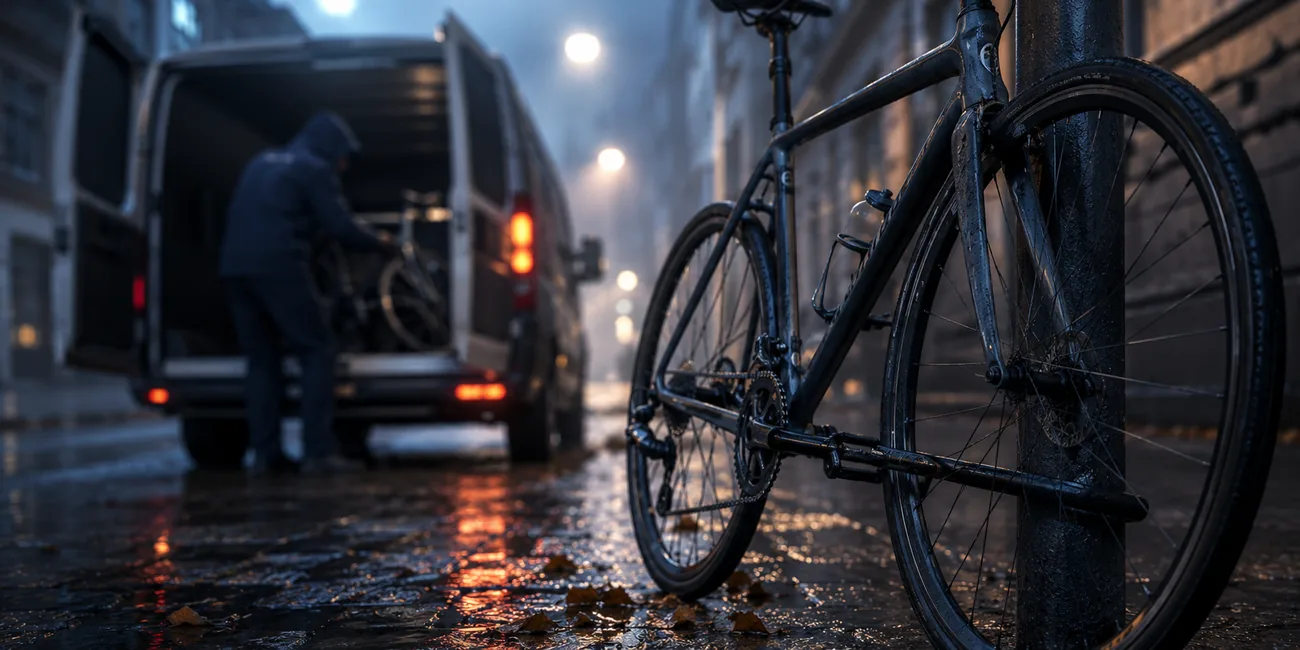
The routes follow geography. Vans leave high-density cycling cities in the evening and reach resale markets in neighboring countries overnight. Ferries and open Schengen road borders add no meaningful friction. This is why speed matters more than precision in the first hours: a tracker that shows direction of travel while the bike is still moving tells police which corridor to watch, and a tracker that settles on one address for a day or more gives them a target for a formal request.
Where to hide an AirTag on a bike
The goal is concealment that survives a quick visual check, not a laboratory search. No hiding spot beats a thief with time and tools. The spots below, widely recommended in cycling and tracker press, buy you the hours or days that a recovery needs.
Inside the steerer tube. The hollow fork column above the crown often has enough empty space for a tag wedged in foam. Reaching it means removing the top cap and stem, which a thief doing a rapid check will not do. This is the most recommended spot for road and gravel bikes.
Inside the seat post. Many aluminum and carbon seat posts are hollow. Wrap the tag in foam to stop rattling, slide it in, and it is invisible from outside. It stays put until someone pulls the post, which happens less often than thieves checking under the saddle.
Under the saddle rail in a purpose-built mount. Saddle mounts made for trackers hold the tag discreetly and install in minutes. They are more exposed than frame cavities on close inspection, but a thief moving quickly rarely flips the bike to look there first.
Inside a reflector housing. Third-party housings exist that hide a tag inside a working reflector. The tag hides in plain sight as ordinary bike equipment, which is exactly the point.
E-bike cavities. Some e-bike frames have tool access panels or unused space near the motor housing, but this varies a lot by manufacturer and model. Check your specific frame before assuming a cavity exists, and remember that removing the battery can separate the tag from the bike if the two sit together.
Whichever spot you choose, wrap the tag so it cannot rattle, test that Find My still sees it after installation, and check the battery indicator before each season. More on battery behavior is in our AirTag battery guide.
AirTag or cellular GPS for a bike
Each tracker type has a zone where it shines. Pick by where your bike lives and how much it is worth.
| Tracker | Ongoing cost | Battery | Where it reports best |
|---|---|---|---|
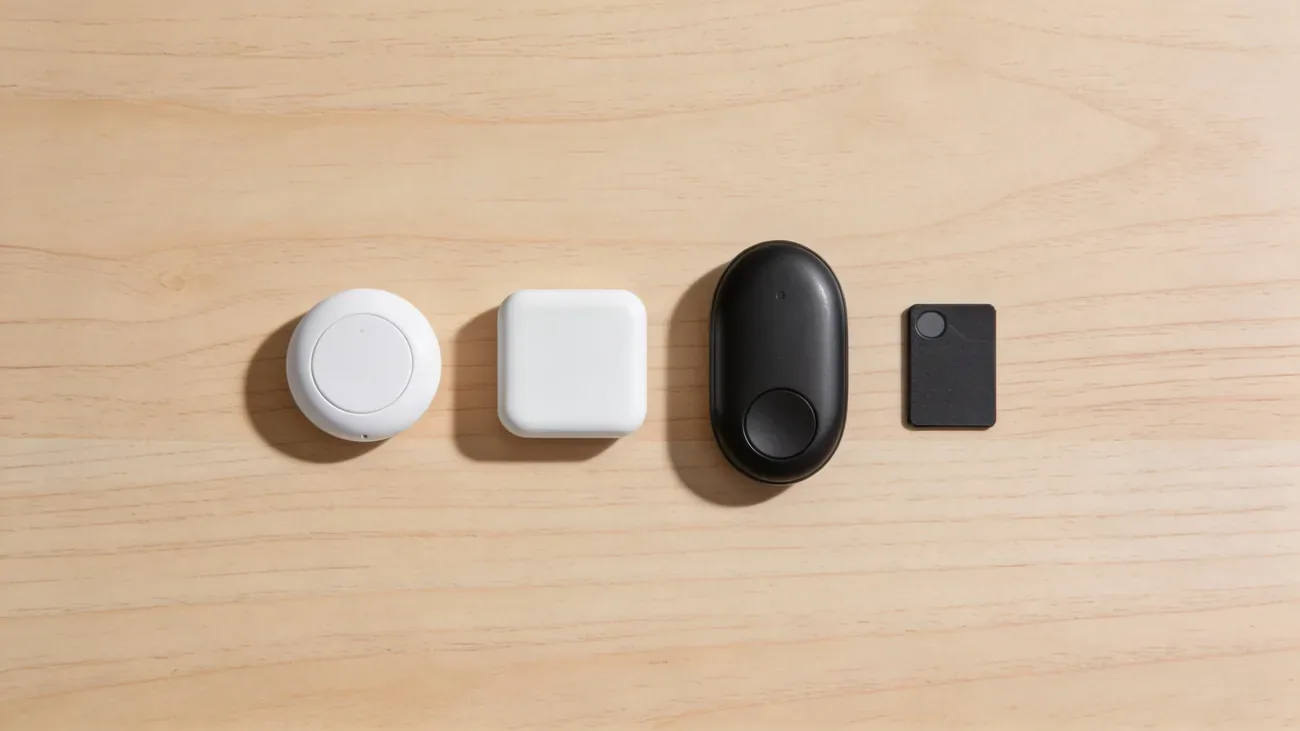
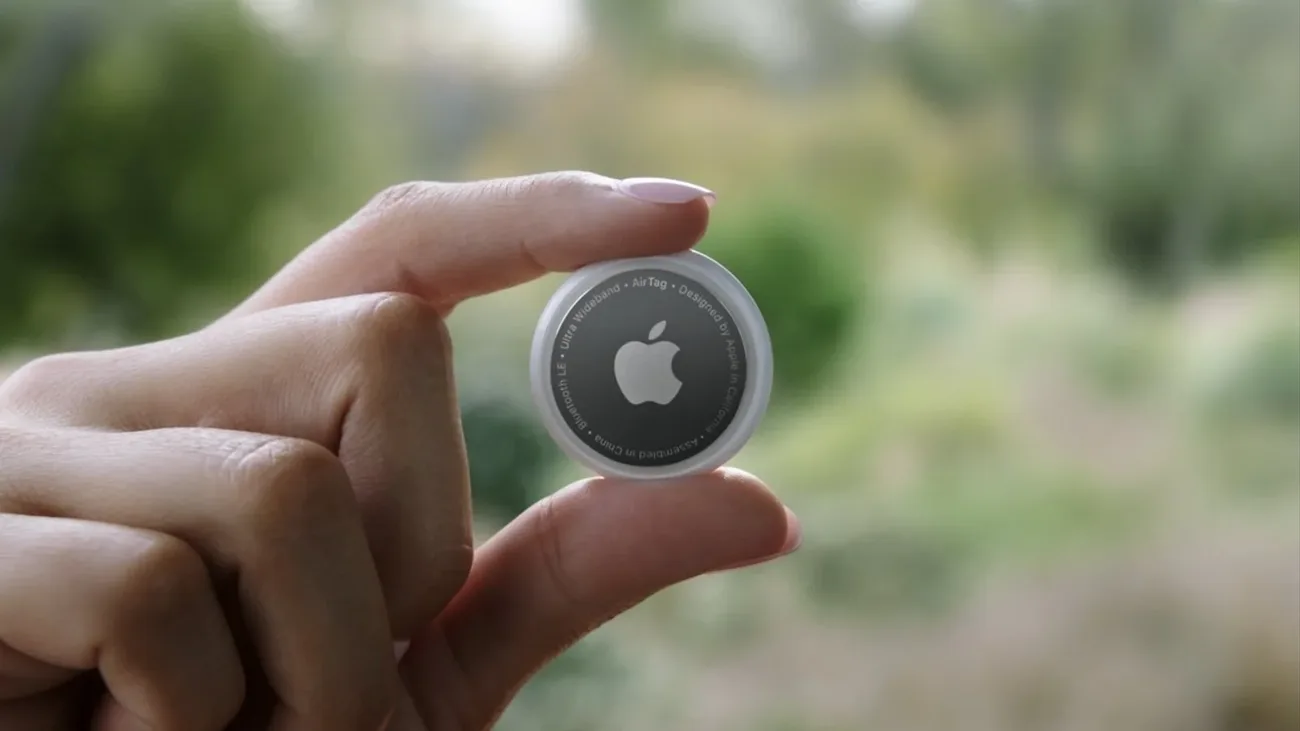
| Apple AirTag | None | CR2032, about a year per Apple | Cities and busy routes with dense phone traffic |
| Tile tracker | None for basic use | Coin cell per maker | Similar city use, cross-platform apps |
| Cellular GPS tracker | Subscription | Rechargeable, needs regular charging | Anywhere with mobile signal, including rural areas |
| E-bike onboard system | Varies by maker | Tied to the bike battery and app | Limited, depends on maker implementation |
For a city commuter or road bike in Western Europe, a hidden AirTag is the natural starting point: no subscription, a battery that lasts about a year, and frequent updates wherever phones pass. Tracker press notes that bikes live exactly where AirTags work best, since racks, stations, and campuses all have a steady stream of people walking past. For a high-value e-bike, or any bike that travels through rural areas with thin phone coverage, a cellular GPS unit that reports over the mobile network is the stronger option despite the subscription and charging routine. Some owners run both. Our Bluetooth tracker comparison details the finder networks behind each choice.
The first hour after your bike disappears
Recovered bikes almost always share one trait: the owner acted within the first hours. Work through this list in order.
- Check Find My and screenshot everything. Open the tag, capture the location with its timestamp, and repeat every few minutes while the dot moves. These images become your evidence trail.
- Do not chase a moving dot. A moving tag means the bike is with someone, possibly in a vehicle heading out of the city. Note the direction for police and stay put.
- Find the serial number. It is stamped on the bottom bracket shell or a chainstay, and it should also sit on your purchase receipt or registry entry. Without it, police have far less to work with.
- Call the police. The EU-wide emergency number is 112, and member states keep their own police lines as well. Say you have an active tracker location, screenshots, and a serial number.
- File the written complaint in person. The phone call starts things, but the written complaint creates the case number that cross-border cooperation requires. Bring proof of ownership and your screenshots.
- Register the bike as stolen. Bike Index is a free global registry used by shops and police; mark the bike stolen with its serial number. National registries vary by country, so use your local one too.
- Tell your insurer the same day. Policies set their own windows for police and insurer notification, and missing them can void a claim. Send the report number and screenshots.
- Ask about the cross-border alert entry. Phrase it plainly: you want the stolen property details entered so officers in other member states can see them. Most desk officers know the procedure, and the prompt helps when they handle many cases.
How a cross-border report moves inside the EU
Two systems carry stolen-property information between member states, and both start from your domestic complaint.
The Schengen Information System. Once your police enter the stolen bike alert with its serial number and description, officers across Schengen states can see it at border posts and on patrol. Nothing enters the system automatically from your Find My screenshots. The domestic case number is the key that puts your bike into this shared view.
Police-to-police channels. For time-sensitive location data, your force can contact counterparts in the destination country directly through Europol communication channels, attaching the coordinates and case file. A formal request from one police force to another carries far more weight than a victim calling a foreign station alone.
What makes such a request actionable is always the same packet: the domestic case number, the serial number, screenshots with timestamps and coordinates rather than just a city name, proof of ownership, and distinguishing features such as custom paint or components. Without the serial number, officers abroad have no firm basis to seize a bike from a private address. With it, a recovery visit becomes feasible, though timing depends on local workload and procedures. Expect weeks rather than days once the trail crosses a border, and keep your domestic contact updated with every new screenshot.
Why you should not recover the bike yourself
Tracking a bike to an address is not permission to knock on the door. You have no legal authority to demand property at a stranger address in another country, local laws you do not know govern what happens next, and the people inside may know they are being tracked.
Cycling press has covered cases where owners reclaimed bikes only because the circumstances allowed it safely, such as spotting the bike during a transfer in a public place, and even those stories carry an explicit warning not to confront anyone when the situation feels uncertain. Organized resale rings are not casual opportunists. Hand the coordinates to your police contact and let officers decide the next step. If the trail goes cold or the address sits in a risky area, that advice holds twice over.
Registration and insurance paperwork
Registration is the step most cyclists skip until the night they need it. Three habits, done once, pay off whenever anything happens.
Register before theft. Add the bike to Bike Index with its serial number and photos, plus any national registry your country uses. Different police forces check different systems, so covering more than one registry costs little and helps a lot.
Photograph the identifying details. Capture the serial number stamp, scratches, custom parts, and the full bike from both sides. Store the photos in cloud storage rather than only on one phone, since adjusters and officers both need visual documentation.
Keep the battery fresh. A tag with a dead cell reports nothing. Check the Find My battery indicator at the start of each riding season and replace the coin cell when the app flags it. For alert behavior on the other side, when a phone warns about a nearby unknown tag, see what the unknown tracker alert means.
A hidden tag, a filed serial number, a fast report, and timestamped screenshots. That combination has brought bikes home across EU borders before, and it remains the strongest hand a cyclist can hold.
Frequently asked questions
Is it legal to hide an AirTag on my own bike?
Yes. Hiding a tracker on property you own is legal in every EU member state. The legal line appears only when someone places a tracker on another person vehicle without consent, which can breach privacy and stalking laws. On your own bike, there is no legal issue. Keep proof of ownership anyway, since police need it before acting.
What should I do in the first hour after the theft?
Check Find My immediately and screenshot the location with its timestamp. Then call the police, have the bike serial number ready, and file a written complaint in person so the case gets a number. Register the bike as stolen with Bike Index, tell your insurer, and keep screenshotting every update. Do not chase a moving dot yourself.
What if my bike is tracked to another EU country?
Hand the trail to your domestic police and let them send it onward. Your force enters the stolen property alert into the Schengen Information System and can contact counterparts through Europol channels with your case number, serial number, and screenshots. You cannot trigger a foreign search or seizure yourself, and crossing the border to fetch the bike risks both safety and legal trouble.
Can a bike thief detect and remove my AirTag?
Yes, a determined thief can. Phones now warn their owners about unknown trackers traveling with them under the Apple-Google joint standard, and a systematic search with a Bluetooth scanner can narrow down a hidden tag. Deep hiding spots such as the steerer tube or seat post buy time against a quick check, but no spot survives a thorough search with tools.
AirTag or cellular GPS tracker for a bike?
An AirTag suits city bikes in areas with dense phone traffic: no subscription, a coin cell rated at about a year, and frequent updates near people. A cellular GPS tracker suits high-value bikes and rural routes, since it reports over the mobile network wherever there is signal, at the cost of a subscription and regular recharging. Many e-bike owners pair a hidden AirTag with a GPS unit.
Does tracker evidence help with an insurance claim?
Yes, as supporting evidence. Location screenshots with timestamps, a police report number, and a stolen registration show the theft was real and that you acted promptly, which helps claims handlers process the file. Policies still set their own windows for reporting the theft to police and the insurer, so file both reports fast and keep copies of everything.